
How Can Procurement Planning Reduce Single-Source Supply Risk?
How Can Procurement Planning Reduce Single-Source Supply Risk?
How can procurement planning reduce single-source supply risk? In advanced manufacturing, the answer is rarely as simple as adding a second supplier to an approved vendor list. A second name on paper does not protect production if that supplier cannot meet the required purity level, reproduce a coating stack, calibrate a metrology system, or support a motion stage after installation.
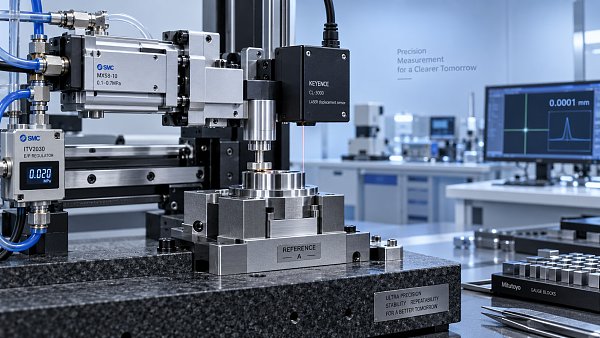
For procurement teams serving semiconductor, aerospace, medical-device, energy, and precision engineering programs, supply resilience must be designed around technical equivalence and operational reality. Ultra-pure electronic gases, ALD precursors, sub-micron pneumatic components, multi-sensory CMM systems, and nano-positioning assemblies may all appear to be purchasable categories. In practice, each can contain hidden dependencies: proprietary materials, process know-how, export controls, specialized packaging, calibration methods, field-service capacity, or a single qualified production site.
The goal is not indiscriminate multi-sourcing. It is to understand where a single point of failure exists, determine which failures would interrupt a critical process, and build alternatives that are genuinely usable under production conditions.
Single-source risk is broader than having one supplier
A procurement record may show two or three approved vendors while the supply base remains concentrated. Those vendors may rely on the same upstream feedstock producer, fabrication plant, freight route, licensing arrangement, or regional service partner. A precision actuator might be available through multiple distributors but originate from one machining facility. Two gas suppliers may both depend on the same purification technology or cylinder-network operator. The commercial supplier count can therefore create a misleading sense of resilience.
Risk also changes across the product lifecycle. During prototype work, a long lead time may be inconvenient but manageable. Once a component is embedded in a validated aerospace assembly or a regulated implant manufacturing process, substitution becomes far more difficult. The relevant question is not simply, “Can another company make something similar?” It is, “Can the alternative be qualified, delivered, supported, and controlled without creating an unacceptable quality, compliance, or schedule exposure?”
This distinction matters because a technically unique item is not always the most dangerous one. A broadly available component with a single approved drawing, a locked firmware version, or a sole calibration laboratory can be equally disruptive. Procurement planning must examine the full dependency chain rather than only the purchase order.
Start with a criticality map, not a supplier-count target
A practical planning process begins by mapping purchased items against consequence, substitutability, and time to recover. This gives procurement, engineering, quality, and operations a common basis for deciding where to invest qualification effort. It also avoids treating low-value consumables and process-critical inputs as if they carried the same exposure.
A useful output is a ranked list of supply dependencies rather than a generic “high-risk supplier” label. The list should identify the item, approved source, upstream concentration, alternate status, stock position, qualification lead time, and accountable owner. It should also distinguish between a supply interruption and a technical failure. Those two events require different contingency actions.
Build technical equivalence before a disruption forces the issue
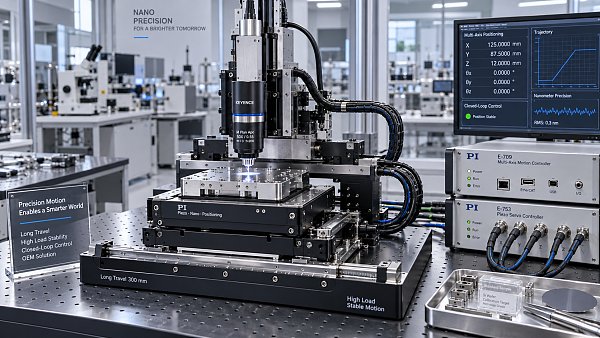
The greatest weakness in many diversification plans is assuming that specification matching proves interchangeability. For high-precision systems, a datasheet is only the start. An alternate nano-positioning stage may match travel range and nominal resolution yet behave differently under the actual load, cable routing, control loop, vibration environment, or vacuum condition. A coating supplier may meet a stated thickness range but use a deposition process that affects adhesion, stress, reflectivity, or downstream cleaning behavior.
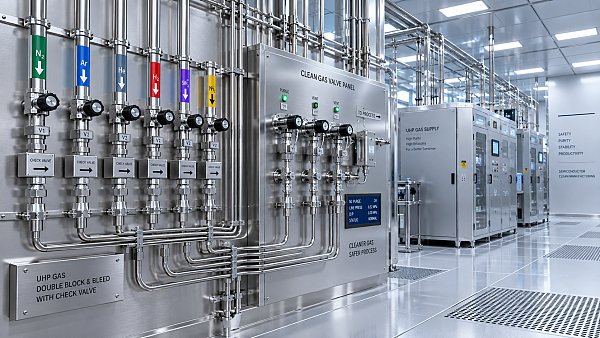
Effective procurement planning brings engineering and quality teams into the qualification logic early. The required evidence depends on the category, but it commonly includes material traceability, certificate formats, inspection methods, lot controls, contamination controls, software or firmware compatibility, service documentation, and change-notification commitments. For electronic gases and high-purity chemicals, the relevant purity specification may be insufficient without confirming analytical methods, packaging controls, residual impurity reporting, and compatibility with the site’s delivery infrastructure.
This work can be staged. A company does not need to fully validate every possible alternate supplier immediately. It can define tiers: screened alternatives, technically assessed candidates, pilot-qualified sources, and production-approved sources. The important point is to be honest about the status. A supplier that has passed an introductory audit but has not produced representative lots is not a ready contingency source.
Diversify the supply model, not only the vendor list
Dual sourcing is valuable, but it is only one resilience mechanism. In some categories, qualifying two fully interchangeable sources is commercially or technically unrealistic. An organization may instead reduce exposure through a combination of approved alternates, strategic inventory, repair capability, modular design, framework agreements, and transparent capacity commitments.
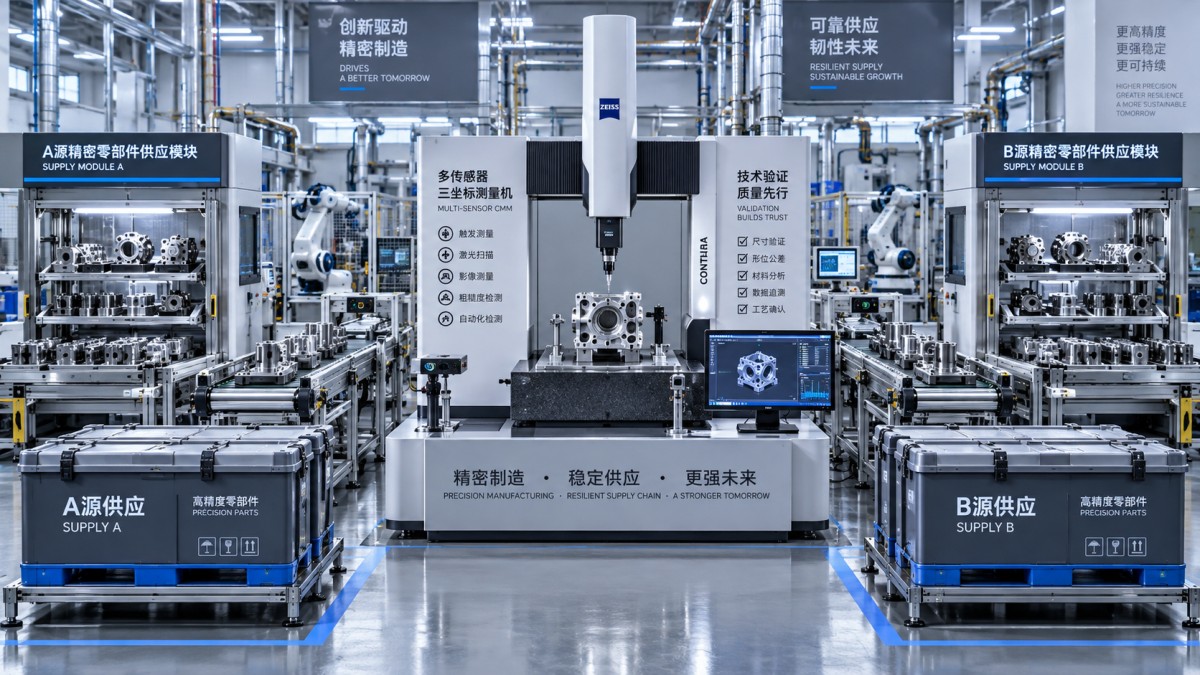
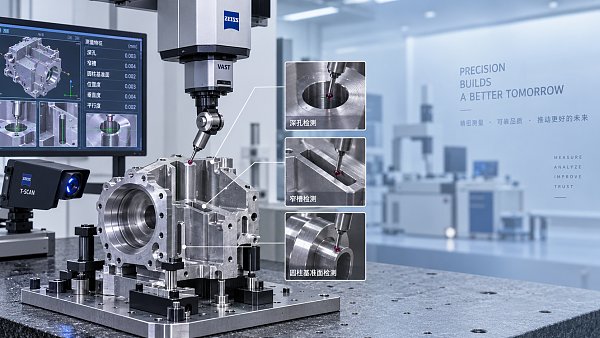
For example, long-life metrology equipment presents a different challenge from a consumable process material. A CMM or multi-sensory metrology platform may not be easily replaced during a production program. Here, procurement planning should cover calibration continuity, spare-part availability, software support, field-service response, and access to qualified repair pathways. Holding critical spare assemblies may be more realistic than attempting to qualify a completely different platform in the middle of a production cycle.
For chemicals, gases, and deposition materials, the stronger approach may include safety stock calculated around verified replenishment time, qualified packaging alternatives, and agreements that clarify allocation rules during constrained supply. Inventory is not a universal answer. Some materials have storage, shelf-life, safety, or purity limitations. Yet where storage is technically acceptable, a measured buffer can create enough time to activate a validated alternative rather than making an emergency purchase.
Design decisions also matter. Engineering teams can unintentionally create procurement lock-in through unique tolerances, nonstandard interfaces, or proprietary control architectures. Where performance permits, specifying functionally defined requirements instead of unnecessarily brand-specific features can widen the qualified supply field. That does not mean relaxing critical tolerances. It means testing whether every legacy requirement remains tied to performance, safety, validation, or regulatory need.
Treat capacity, geography, and regulation as connected risks
A supplier can be technically capable and still represent a weak contingency option if it has no available production capacity, depends on a constrained sub-tier, or cannot ship to the required destination. Planning should therefore look beyond annual spend and ask operational questions: Which site will manufacture the item? Is capacity reserved or merely forecast? What inputs are sole sourced? Which transport conditions are mandatory? Who handles export classification, import documentation, hazardous-material requirements, and end-use reviews?
These questions are particularly relevant for precision technologies that may be subject to changing trade, export-control, or end-use requirements. Procurement should not make legal determinations in isolation, but it should establish a process for bringing compliance specialists in before a sourcing decision becomes urgent. A technically attractive source is not a practical source if shipment approval, licensing, or customer documentation cannot be completed within the recovery window.
Geographic diversification deserves the same discipline. Two factories in different countries can still be exposed to the same wafer supplier, specialized coating target producer, machine-tool OEM, or logistics hub. Conversely, a well-managed regional source may materially reduce recovery time even if it is not the lowest-cost option. The comparison should be based on total interruption exposure, not unit price alone.
Use supplier relationships to surface weak signals early
Single-source risk is often visible before it becomes a shortage. Repeated quotation extensions, unusual minimum-order changes, declining on-time delivery, delayed corrective actions, frequent personnel turnover, or vague answers about manufacturing location can all justify a closer review. None proves that disruption is imminent, but together they may reveal that a critical supplier is operating with limited flexibility.
The strongest supplier conversations are specific. Rather than asking whether a supplier is “resilient,” ask how it manages allocation, what notification period it can provide for a site transfer or material change, whether alternate tooling exists, which sub-tier inputs are constrained, and how it would prioritize a customer’s demand during a regional interruption. The answers should be documented and tested against purchase volumes, contract terms, and actual technical dependencies.
Regular business reviews can include these topics without becoming adversarial. Suppliers are more likely to share actionable information when buyers provide credible demand forecasts, distinguish firm demand from exploratory demand, and communicate engineering changes in a controlled manner. Resilience is partly a commercial relationship issue: suppliers cannot plan capacity around signals they do not trust.
Turn intelligence into a decision routine
The challenge is not a lack of information. Procurement teams already receive supplier notices, tender updates, market reports, engineering change requests, and compliance alerts. The difficulty is connecting those signals to the exact parts, materials, processes, and programs that could be affected.
This is where a structured technical intelligence function can be useful. G-UPE’s work across specialized coatings, precision pneumatic and fluid control, CMM and multi-sensory metrology, ultra-high-purity chemicals and electronic gases, and micro-manipulation and nano-positioning systems reflects a practical need in the market: buyers need comparable evidence, not just supplier claims. Benchmarking against relevant ISO, SEMI, IEEE, project, and technical documentation can help teams separate a plausible alternative from one that is ready for a controlled qualification path.
Commercial intelligence has a role as well. Patent activity may indicate where technology access is concentrated. Tender activity can suggest upcoming demand pressure. Export-control updates can change the viability of a route that looked acceptable a quarter earlier. These inputs should not automatically trigger supplier changes, but they can trigger a review of stock, qualification status, contract coverage, and affected programs.
A resilient plan is maintained, not filed away
Procurement planning reduces single-source supply risk when it converts uncertainty into prepared choices. That requires more than identifying alternate vendors. It requires knowing which alternate has been technically assessed, what evidence remains missing, how long approval would take, what inventory can safely bridge a disruption, and which upstream or regulatory dependencies could still defeat the plan.
The most useful next step is usually a focused review of the few purchased items that could stop a critical process. For each one, verify the true manufacturing source, qualification status, capacity assumptions, documentation requirements, service dependencies, and recovery time. If those answers are unclear, the organization does not yet have a contingency plan—it has an assumption that should be tested before supply conditions force the issue.
Taglist:
- Specialized Coatings
- Precision Pneumatic
- Fluid Control
- Multi-Sensory Metrology
- Electronic Gases
- Micro-Manipulation
- Nano-Positioning
- ALD Precursors
- Sub-Micron Pneumatic
- procurement planning
- nano-positioning systems
- metrology equipment
- Nano-Positioning stage
- Multi-Sensory Metrology platform
- CMM systems
- How can procurement planning reduce single-source supply risk?
Recent Articles
 2026.10.14How air pressure affects precision pneumatic actuator repeatabilityPrecision Pneumatic actuator repeatability depends on more than supply pressure. Discover how pressure, friction, and flow affect positioning—and how to improve consistency in your application.
 2026.10.13How to choose a packaging manufacturer for small production runsChoose a packaging manufacturer for small production runs with confidence. Discover how to compare costs, verify samples, and secure quality packaging without excess inventory.
 2026.10.12Ultra-Pure Chemicals in Latin America: What Shapes Regional Supply and Demand?Ultra-pure chemicals Latin America: explore demand drivers, qualified supply, and purity risks to uncover smarter sourcing and investment opportunities.
 2026.10.12How Much Does an Optical Tweezers System Cost?Explore optical tweezers system price ranges, key cost drivers, and ownership expenses. Compare configurations and learn how to choose the right setup for your research budget.
 2026.10.12How to size commercial refrigerators for a restaurant kitchenDiscover how commercialrefrigerators should be sized for peak demand, smarter workflow, food safety, and reliable restaurant kitchen performance.
 2026.10.11How procurement planning reduces supply risk in Latin AmericaProcurement planning Latin America helps reduce supply risk with supplier qualification, import readiness, inventory controls, and contingency sourcing.
 2026.10.10How to build a supplier capability evaluation scorecard for critical partsSupplier capability evaluation scorecard: build a risk-based framework with gates, evidence, and weighted criteria to qualify critical-part suppliers with confidence.
 2026.10.09When do sub micron pneumatic actuators improve metrology repeatability?Sub micron pneumatic actuators for metrology improve repeatability by reducing friction, controlling contact force, and accelerating settling time. Discover when they deliver measurable inspection gains.
 2026.10.08How to assess measurement uncertainty from a precision metrology supplierPrecision metrology supplier guide: assess measurement uncertainty, traceability, environmental effects, calibration, and decision rules for reliable results.
 2026.10.07Metrology application notes for choosing CMM probe strategiesMetrology application notes for selecting CMM probe strategies, improving accuracy, access, repeatability, and confidence in complex feature inspection.
 2026.10.06What refresh rate do VR headsets need to reduce motion sicknessVR headsets need at least 90Hz to help reduce motion sickness. Discover why stable frame rates, low latency, and 120Hz support can deliver smoother, more comfortable VR experiences.
 2026.10.05What drives nano-indentation systems cost for a new lab?Nano-indentation systems cost: discover the real budget drivers for a new lab, from configuration and site readiness to software, calibration, and service.
 2026.10.04When does a micro fluidic probe OEM need custom channel geometry?Micro fluidic probe OEM guide: learn when custom channel geometry improves confinement, shear control, reagent savings, and process reliability.
 2026.10.03How to prevent cross-contamination in semiconductor gas handlingSemiconductor Gas Handling best practices to prevent cross-contamination, protect gas purity, improve process stability, and strengthen fab safety.
 2026.10.02How healthcare engineering improves the accuracy of diagnostic equipmentHealthcare engineering improves diagnostic accuracy through precision design, calibration, fluid control, and traceable validation for reliable clinical results.
 2026.10.01When does a steel-frame vibration isolation table provide enough stability?Vibration isolation table steel frame stability explained: assess stiffness, resonance, payload, and isolator performance for precise, reliable measurements.
 2026.09.30How probe station procurement alerts prevent costly supply delaysProbe station procurement alerts help teams spot configuration risks, lead-time changes, and compliance issues early—protecting test schedules and avoiding costly supply delays.
 2026.09.29How Can Procurement Planning Reduce Single-Source Supply Risk?How can procurement planning reduce single-source supply risk? Discover practical strategies for qualifying alternatives, mapping dependencies, building buffers, and protecting critical operations.
 2026.09.29What Should a Precision Manufacturing Supplier Audit Include?What should be included in a precision manufacturing supplier audit? Explore essential checks for process capability, metrology, traceability, and risk control.
 2026.09.29How Do Export Controls Affect Semiconductor Equipment Lead Times?How do export controls affect semiconductor equipment lead times? Discover licensing, screening, supplier, and service risks—and plan smarter to protect fab schedules.
 2026.09.29What Maintenance Does a Micro-Manipulation System Need?What maintenance does a micro-manipulation system need? Explore calibration, cleaning, motion checks, cable care, and environmental controls for reliable precision.
 2026.09.29Microdynamics in Precision Motion: What Engineers Need to MeasureMicrodynamics in precision motion: learn what engineers must measure to control vibration, settling, friction, compliance, and servo response for reliable nanometer-level results.
 2026.09.29OEM Nanopositioning Solutions: Specifying Travel, Load, and Control RequirementsOEM nanopositioning solutions guide: specify usable travel, real payload dynamics, feedback, and control integration for reliable precision instruments.
 2026.09.29Factory-Price Photoresist Chemicals: What Buyers Should Verify Before OrderingFactory price photoresist chemicals: learn the essential checks for process fit, lot control, purity, packaging, and total cost before ordering.
 2026.09.29When Does Laser Interferometer Precision Limit a Metrology System?Laser interferometer precision: learn when it limits metrology systems, from air-path effects and alignment errors to uncertainty budgets and smarter upgrades.
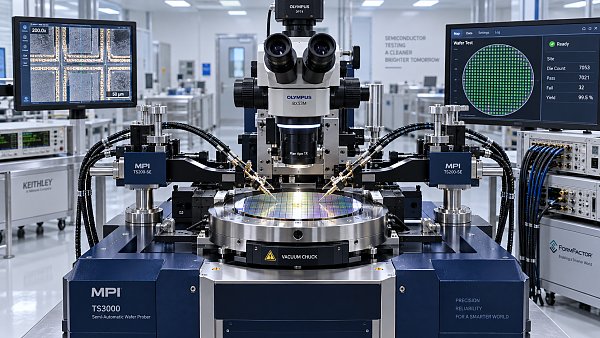
 2026.09.29Selecting a Semi-Automatic Wafer Prober for Low-Volume Test LinesChoose a semi automatic wafer prober for low-volume test lines with guidance on contact stability, flexible wafer handling, probe compatibility, and repeatable workflows.
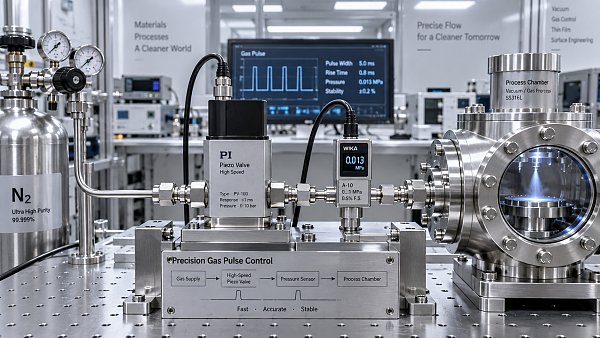
 2026.09.29Piezo Valves for Fast Gas Dosing: Matching Response Time to Process NeedsPiezo valves for fast gas dosing: learn how to match response time, pressure conditions, and system design for stable, repeatable process control.
 2026.09.29Why a Piezo Valve Loses Repeatability—and How to Diagnose ItPiezo valve repeatability issues? Learn how to diagnose drive signals, contamination, pressure instability, bubbles, and wear before costly replacement.
 2026.09.29Nanopositioning Stages: Comparing Direct-Drive and Piezo-Flexure DesignsNanopositioning stages compared: explore direct-drive and piezo-flexure designs for travel, stiffness, settling time, thermal stability, and precision control.
 2026.09.29ArF Photoresist in Vietnam: Supply-Chain Risks for Semiconductor FabsArF photoresist in Vietnam: uncover supply-chain, compliance, logistics, and qualification risks. Build resilient sourcing strategies for semiconductor fabs.
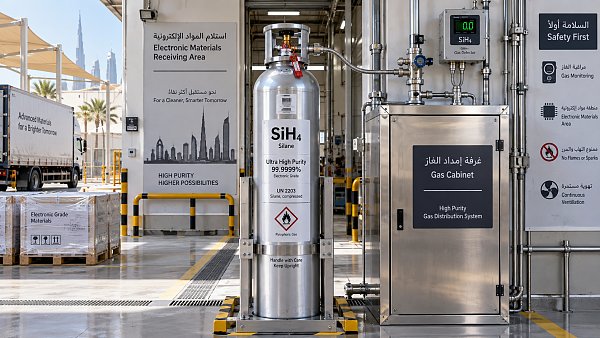
 2026.09.29Ultra-Pure Silane Gas in the Middle East: Purity and Delivery ChecksUltra-pure silane gas Middle East acceptance guide: verify purity, CoA traceability, cylinder integrity, and safe delivery controls for critical processes.
 2026.09.29How Web Tension and Oven Zoning Affect Coating Calendering Line QualityCoating calendering line quality depends on stable web tension and precise oven zoning. Learn how to reduce gloss, gauge, adhesion, and embossing defects.
 2026.09.29How high stability optical tweezers reduce drift in long experimentsOptical tweezers high stability systems reduce long-experiment drift through rigid mechanics, thermal control, low-noise optics, and meaningful feedback. Explore evaluation methods.
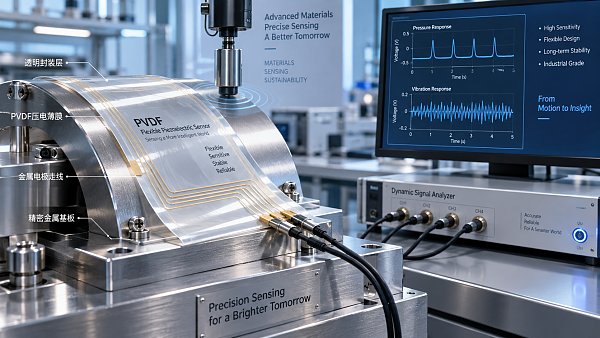
 2026.09.28How piezo polymer materials affect sensitivity in flexible sensorsPiezo polymer materials shape flexible sensor sensitivity. Explore stress transfer, film stability, electronics, and testing insights for reliable high-performance designs.























FILTER_CORE
REF_NO: 0042
Editors' Picks