
Where Zero-Defect Manufacturing Breaks Down First
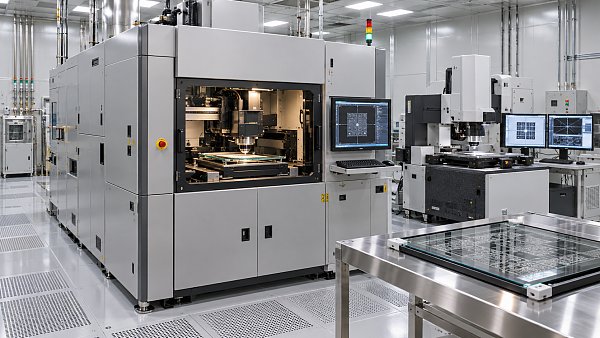
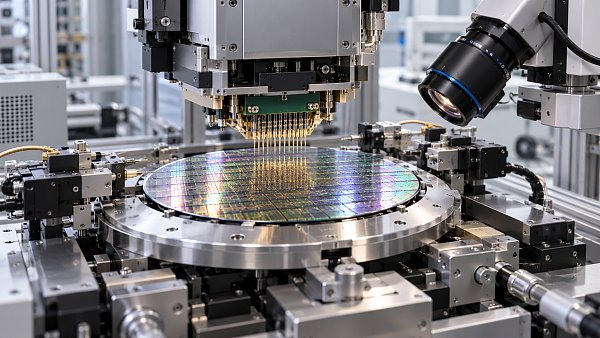
Zero-defect manufacturing almost never collapses first at final inspection. It usually breaks earlier—at the points where process capability, contamination control, metrology, supplier variation, regulatory constraints, and operator decision-making stop lining up. In sectors such as semiconductor manufacturing, aerospace components, and biological implants, the first breakdown is typically not a dramatic machine failure. It is a hidden drift: a coating thickness moving out of tolerance, a fluid control response becoming unstable, a metrology system losing correlation, a purity issue entering the process stream, or a motion platform introducing microscopic positioning error.
For procurement teams, operators, quality leaders, and executives, the practical question is not whether “zero-defect” is a worthy goal. It is where the system becomes vulnerable before defects become visible, expensive, or non-compliant. The answer usually sits at the interface between technical precision and management discipline: supplier qualification, process control, cross-functional data visibility, and regulatory foresight.
This article explains where zero-defect manufacturing breaks down first, why those early failures are often missed, and how organizations can evaluate risk before it turns into scrap, delays, recalls, or strategic sourcing problems.
The first breakdown usually happens where precision systems stop behaving like a single controlled system

In theory, zero-defect manufacturing depends on every part of the production chain working within a validated tolerance window. In practice, the first breakdown happens when one critical subsystem is managed in isolation instead of as part of an integrated precision environment.
This is especially true in advanced manufacturing environments built around:
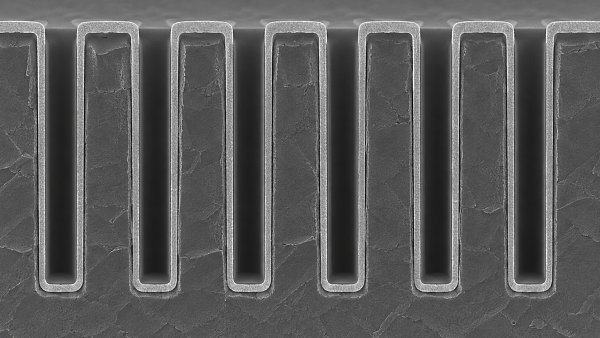
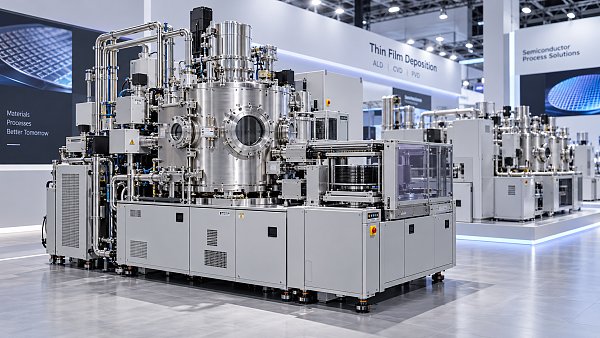
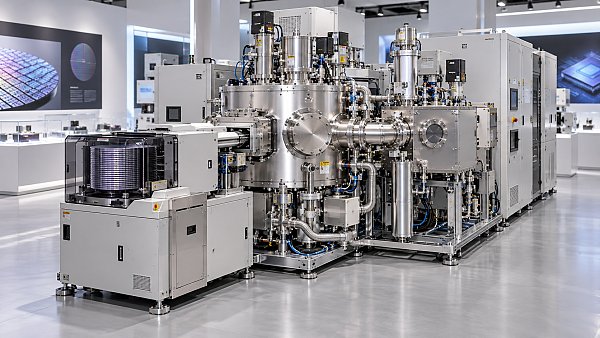
- specialized coatings and thin-film deposition,
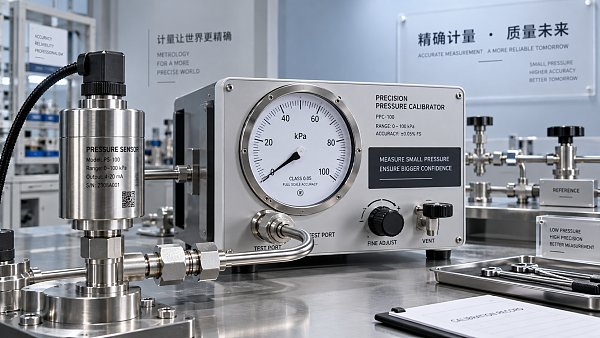
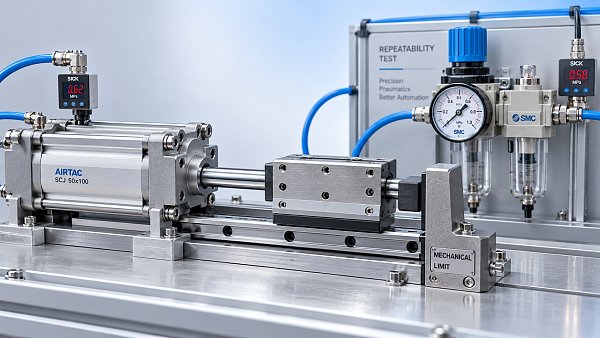
- precision pneumatic and fluid control,
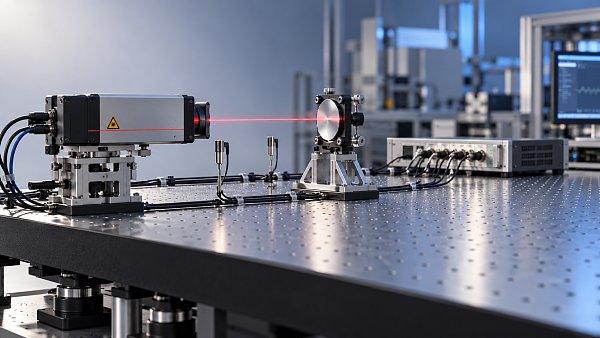
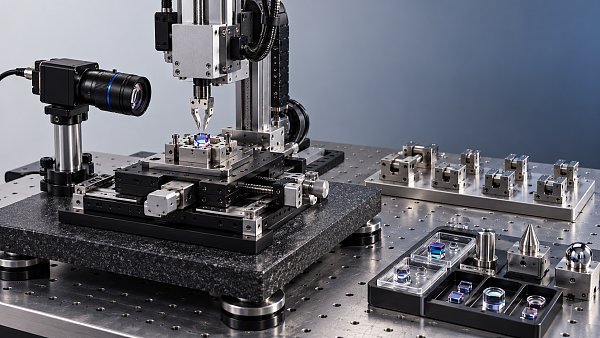
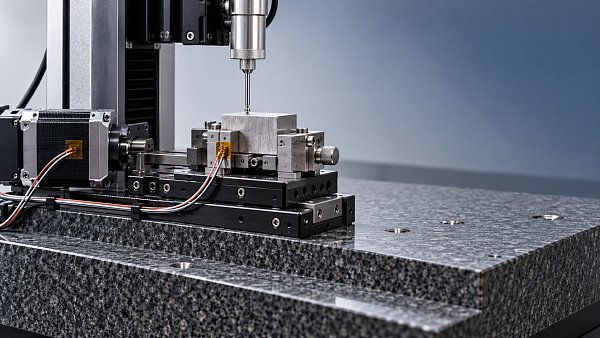
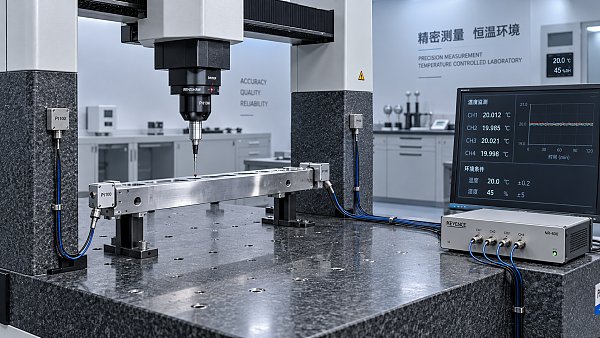
- CMM and multi-sensory metrology,
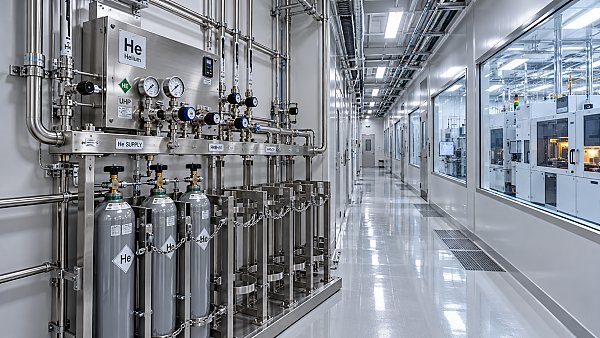
- ultra-high purity chemicals and electronic gases,
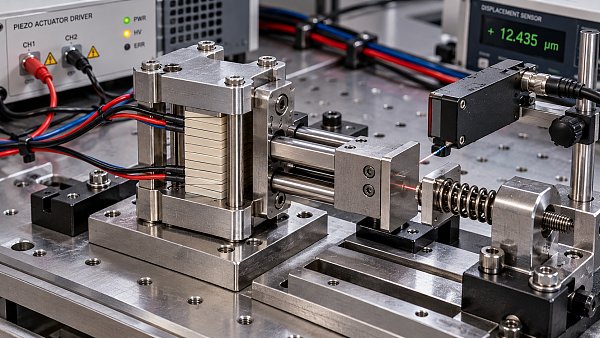
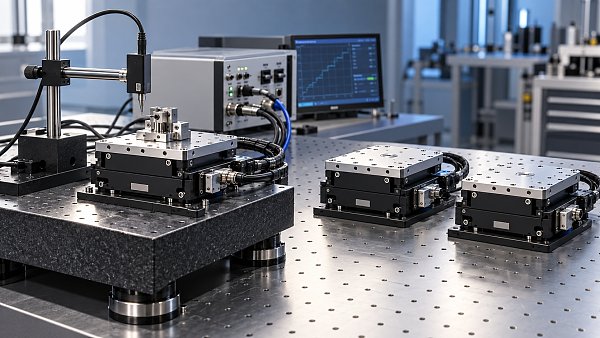
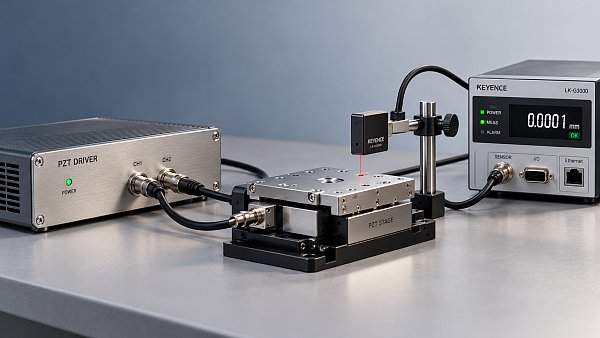
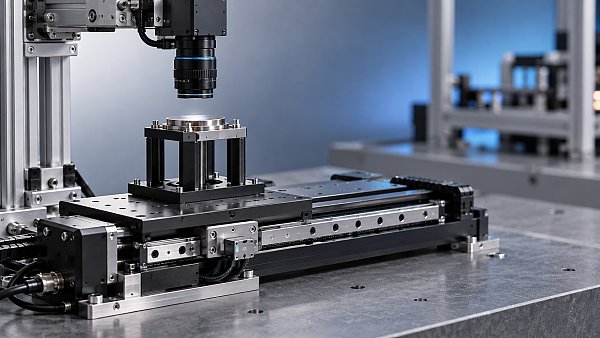
- micro-manipulation and nano-positioning systems.
Each of these may appear stable when evaluated independently. But zero-defect performance fails when interaction effects are ignored. A process may meet machine-level specifications yet still produce defects because the coating chemistry behaves differently under slight gas purity variation, or because the measurement system cannot reliably detect sub-micron deviation in a real production environment.
That is why the earliest breakdown in zero-defect manufacturing is often a systems integration problem rather than a single-process problem.
Where defects emerge first in real production environments
Although every industry has unique constraints, the earliest breakdown points are remarkably consistent across high-precision sectors.
1. Process capability is assumed, but not proven under production conditions
Many manufacturers validate a process under controlled test conditions, then assume the same performance will hold across shifts, batches, suppliers, and environmental variation. This is where zero-defect ambitions begin to weaken. Capability studies that look strong in development can become misleading in production if they fail to capture maintenance intervals, operator variability, material lot changes, or upstream contamination.
2. Measurement systems lose credibility before production teams realize it
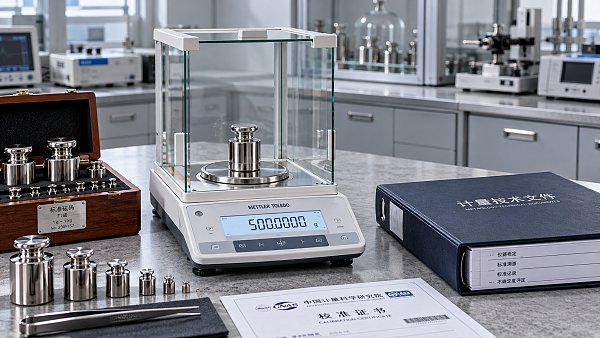
Zero-defect manufacturing depends on trustworthy metrology. If the CMM, optical inspection platform, or multi-sensor measurement workflow is not tightly correlated with the actual critical-to-function requirement, teams may believe they are controlling defects while actually measuring the wrong feature, at the wrong resolution, with the wrong repeatability assumptions.
This is one of the most dangerous breakdowns because it creates false confidence. A factory can appear statistically stable while shipping hidden failures.
3. Material purity and contamination control drift quietly
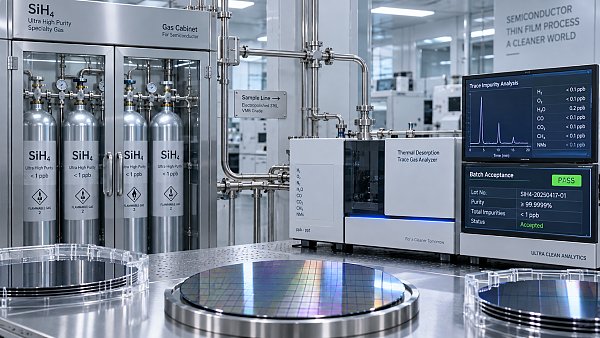
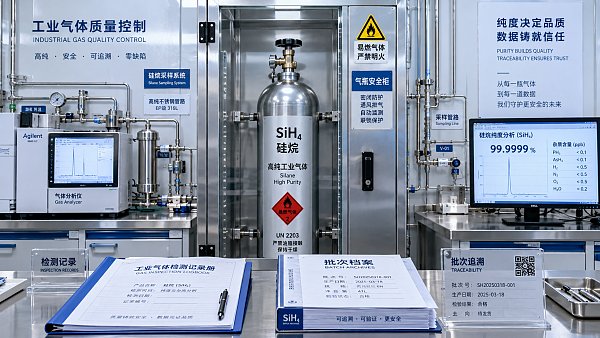
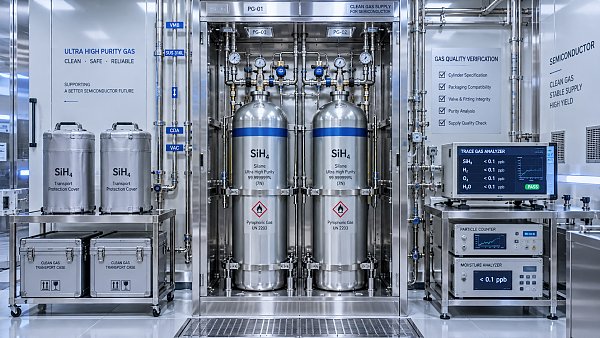
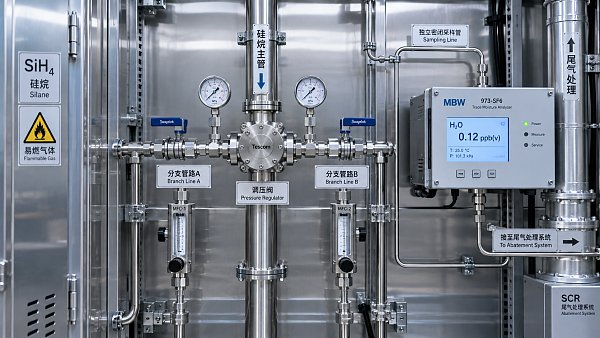
In semiconductors, implants, and aerospace-grade assemblies, contamination is not a secondary issue. Ultra-high purity chemicals, electronic gases, clean fluid handling, and surface integrity directly influence yield, reliability, and compliance. The first breakdown may come from trace impurities, outgassing, residue, or uncontrolled interactions between materials and process equipment.
These failures are easy to underestimate because the root cause may sit outside the immediate production cell—inside storage conditions, transfer lines, packaging, or supplier process changes.
4. Supplier variation enters faster than qualification systems can react
Procurement leaders often face pressure to reduce cost, shorten lead times, or diversify supply. But in zero-defect environments, not all approved suppliers are truly equivalent. Small changes in coating deposition consistency, actuator response, gas purity certification, or positioning stage accuracy can introduce variation that standard commercial qualification processes fail to detect.
When sourcing teams and engineering teams are not aligned on what “critical equivalence” really means, defects often enter the system long before formal nonconformance appears.
5. Human decisions create hidden instability in tightly toleranced systems
Even highly automated manufacturing environments are still vulnerable to operator interpretation, maintenance shortcuts, parameter overrides, and inconsistent escalation. In zero-defect manufacturing, people do not need to make large errors to create major consequences. A minor calibration delay, undocumented tool adjustment, or tolerance exception accepted under schedule pressure can become the first point of breakdown.
Why final inspection is too late to protect a zero-defect strategy
Many organizations still behave as though quality can be “caught” at the end. That approach fails in ultra-precision manufacturing for three reasons.
First, some defects are functional or latent rather than visible. A component can pass dimensional inspection and still fail in service because of internal stress, material incompatibility, thin-film inconsistency, or contamination exposure.
Second, the economic damage starts long before rejection. By the time final inspection detects a problem, the organization has already absorbed material cost, machine time, labor, scheduling disruption, and often customer risk.
Third, some failures are regulatory, contractual, or traceability-related rather than purely technical. In aerospace, medical, and semiconductor supply chains, missing process evidence or non-compliant source changes can create severe consequences even if the part itself appears acceptable.
In other words, zero-defect manufacturing is not protected by stronger inspection alone. It is protected by earlier control over the conditions that make defects possible.
What different decision-makers should evaluate first
The title question matters to multiple audiences, but each group needs a different answer.
For procurement and sourcing teams
The first concern should be whether suppliers are interchangeable only on paper or truly equivalent in process capability, purity control, metrology discipline, and documentation robustness. Cost and availability matter, but in zero-defect environments the deeper risk is uncontrolled technical substitution.
Questions to ask include:
- What process-critical parameters are supplier-specific?
- Which specifications are marketing-level, and which are proven under application conditions?
- How often are certificates, batch records, and calibration evidence independently verified?
- Could export control changes or regional restrictions disrupt a validated supply chain?
For operators and process users
The key issue is not simply following SOPs, but understanding which small deviations matter most. Operators need clarity on leading indicators: pressure instability, flow anomalies, contamination warnings, stage drift, unexpected deposition variation, or measurement repeatability shifts. In zero-defect systems, reacting early is far more valuable than recovering late.
For quality and safety leaders
The priority should be correlation. Does the inspection system truly correlate with product function, regulatory requirements, and customer acceptance criteria? Are traceability systems strong enough to isolate affected lots quickly? Are contamination and cleanliness controls treated as strategic quality variables rather than housekeeping tasks?
For executives and commercial evaluators
The central question is where business risk concentrates. A zero-defect strategy breaks down fastest where the organization underestimates dependency on one supplier, one metrology method, one regulatory assumption, or one undocumented process expert. Commercial resilience depends on seeing these weak points before a tender loss, recall, or program delay exposes them.
The overlooked role of export control, patent shifts, and commercial intelligence
In advanced manufacturing, technical quality risk is no longer separated from market intelligence risk. Zero-defect manufacturing can break down not only because of process variation, but because the organization fails to anticipate external constraints that force sudden change.
Export control can disrupt access to critical gases, deposition materials, sensors, motion components, or inspection platforms. When validated equipment or materials become restricted, companies may be pushed toward substitutes that have not been fully benchmarked under real production conditions.
Patent landscape shifts can also matter. If a critical process design, coating approach, motion architecture, or measurement technique becomes commercially constrained, manufacturers may alter methods for legal or commercial reasons before technical equivalence is fully established.
Procurement intelligence matters because lead time, supplier concentration, geopolitical exposure, and hidden certification gaps often create the operational pressure that leads teams to accept unproven alternatives. In many real cases, the first practical breakdown in zero-defect manufacturing is not inside the machine. It begins when supply chain pressure forces technical compromise.
How to identify early breakdown points before they become visible defects
Organizations that perform well in zero-defect environments usually share a few habits.
Map defect risk to subsystem interfaces
Do not evaluate coating, flow control, metrology, chemical purity, and positioning accuracy as separate procurement categories only. Review where they interact. Most hidden failures emerge at handoff points.
Validate under real operating conditions
Bench data is not enough. Require evidence from production-like environments, including environmental variation, maintenance intervals, lot changes, and long-duration performance stability.
Treat metrology as a strategic process, not a support function
If measurement uncertainty, correlation, or resolution is weak, zero-defect claims are weak. Reconfirm that what is being measured truly predicts function, fit, reliability, and compliance.
Upgrade supplier qualification from document review to technical benchmarking
Approved vendor status should not rely only on certificates and broad specifications. For ultra-precision applications, qualification should include application-specific benchmarking against international standards such as ISO, SEMI, and relevant IEEE frameworks where applicable.
Build regulatory and sourcing foresight into quality planning
If export restrictions, regional compliance shifts, or patent exposure could force material or equipment substitution, those scenarios should be evaluated before disruption occurs. This is especially important for procurement directors and enterprise decision-makers managing strategic technology programs.
Use leading indicators, not just defect counts
By the time scrap rate increases, the breakdown is already established. More useful indicators include drift trends, calibration instability, purity excursions, rework frequency, supplier lot inconsistency, and unexplained measurement disagreement across systems.
A practical decision framework: where should you look first?
If your organization is pursuing zero-defect manufacturing, start with these four diagnostic questions:
- Which process variable can move out of control before our current inspection system detects it?
- Which supplier, material, or subsystem change would create the highest hidden risk despite appearing specification-compliant?
- Where do we rely on assumed equivalence rather than proven benchmarking?
- What external constraint—export control, patent limitation, sourcing disruption, compliance change—could force us into technical compromise?
The answers usually reveal the real first breakdown point much faster than broad quality slogans or end-of-line dashboards.
Conclusion
Where does zero-defect manufacturing break down first? Usually at the earliest point where technical precision, measurement credibility, supplier consistency, and operational discipline stop reinforcing one another. Not at final inspection, but upstream—at the interface between process control and decision quality.
For semiconductor manufacturers, aerospace suppliers, implant producers, and the procurement, quality, and executive teams that support them, the lesson is clear: zero-defect manufacturing is not maintained by intent alone. It depends on verifiable data, application-specific benchmarking, robust metrology, contamination discipline, and commercial foresight strong enough to prevent forced compromise.
Organizations that understand these early breakdown points make better sourcing decisions, detect risk sooner, and protect both product integrity and business continuity. In ultra-precision environments, that is what separates a quality claim from a durable manufacturing advantage.
Taglist:
- Specialized Coatings
- Thin-Film Deposition
- Precision Pneumatic
- Fluid Control
- Multi-Sensory Metrology
- Ultra-High Purity Chemicals
- Electronic Gases
- Micro-Manipulation
- Nano-Positioning
- Precision Manufacturing
- Technical Benchmarking
- Regulatory Foresight
- Procurement Intelligence
- Export Control
- Patent Landscape
- Semiconductor Manufacturing
- Biological Implants
- Aerospace Components
- Zero-Defect Manufacturing
Recent Articles
 2026.10.27India Hosts 61st CIML Meeting for First Time, Advances International Metrology AlignmentIndia hosts the 61st CIML meeting, highlighting OIML-CS status and legal metrology reforms. Explore what international alignment could mean for instrument certification and equipment trade.
 2026.10.27When should you call emergency medical services instead of driving?When should you call emergency medical services instead of driving? Learn the critical warning signs, why an ambulance can be safer, and what to do while help arrives.
 2026.10.26Mycronic Wins $12–14 Million Photomask System Order from Asian CustomerMycronic secures a $12–14 million photomask system order from an existing Asian customer. Explore the writing and measurement systems and their planned 2027 deliveries.
 2026.10.26Piezoelectric Actuator Selection: Balancing Stroke, Force, and BandwidthSelect the right piezoelectric actuator by balancing loaded stroke, force, and bandwidth. Explore key design checks to improve precision and avoid costly sizing mistakes.
 2026.10.26Layer Deposition Equipment: ALD vs. CVD for High-Aspect-Ratio FeaturesCompare layer deposition equipment for high-aspect-ratio features. Explore ALD vs. CVD conformality, throughput, and costs to choose the right system with confidence.
 2026.10.26Checking repeatability in bulk orders of encoder-feedback nano stagesCompare encoder feedback nano-positioning stage wholesale offers using repeatability tests, lot acceptance criteria, and traceable reports. Learn how to reduce risk and buy with confidence.
 2026.10.25Sidea Semiconductor Granted Patent for Probe Card Alignment CalibrationSidea Semiconductor's probe card alignment calibration patent aims for precise, low-cost automation without a calibration target. Explore its potential for semiconductor testing.
 2026.10.25How to assess long-term drift in a high-stability laser interferometerAssess long-term drift in a high stability laser interferometer with reliable reference tests, environmental tracking, and clear acceptance limits. Learn how to validate lasting measurement accuracy.
 2026.10.24SIA Submits Comments to EPA on Draft Trans-DCE Risk AssessmentSIA backs EPA’s draft Trans-DCE risk assessment for semiconductor manufacturing. Explore what its comments could mean for continued lawful use, supply stability, and production planning.
 2026.10.24How to size plastic extrusion machines for your target outputSize plasticextrusionmachines for your target output with practical throughput calculations, resin checks, and line-capacity tips. Avoid costly sizing mistakes and choose with confidence.
 2026.10.23Leadmicro Showcases Full ALD, CVD and PVD Lineup at Bay Area Semiconductor ExpoExplore Leadmicro’s ALD, CVD and PVD lineup at the Bay Area Semiconductor Expo, including magnetron sputtering solutions and key checks for smarter equipment procurement.
 2026.10.23How much does closed-loop control add to the price of PZT drivers?Understand PZT drivers price increases for closed-loop control. Compare sensors, electronics, and installation costs to make a smarter purchasing decision.
 2026.10.22Leadmicro Adds PVD Products, Expanding ALD, CVD and PVD CoverageLeadmicro expands ALD, CVD and PVD coverage with new iMagtron PVD products and a ruthenium ALD process. Explore what these advances mean for thin-film deposition and equipment buyers.
 2026.10.22What limits commercial adoption of micro-robotics in Latin America?Micro-robotics Latin America: What limits commercial adoption? Explore costs, integration hurdles, and service gaps—and learn how to reduce investment risks.
 2026.10.21NTT, Furukawa Electric and Partners Launch Photonics Mass-Production R&DExplore NTT and Furukawa Electric's photonics mass-production R&D with partners, targeting scalable chip manufacturing for energy-efficient AI computing and higher-bandwidth data centers.
 2026.10.21What ultra-precision engineering case studies reveal about thermal driftExplore ultra-precision engineering project cases to uncover hidden thermal drift, assess compensation, and learn what evidence to request before choosing a precision system.
 2026.10.20BASF Signs Letter of Intent with Taiwan Ministry to Expand Guanyin Semiconductor MaterialsBASF’s planned Guanyin semiconductor materials expansion targets sub-2nm manufacturing. Explore what its letter of intent with Taiwan’s Ministry of Economic Affairs could mean for chipmakers.
 2026.10.20How to estimate medical technology costs beyond the purchase priceEstimate medical technology cost beyond the purchase price. Uncover hidden expenses, compare lifecycle costs, and use this guide to make smarter procurement decisions.
 2026.10.1960 Minutes: Iran War Drives Global Helium Shortage, Threatening Semiconductor SupplyIran war-linked global helium shortage reportedly threatens semiconductor supply. Explore chipmaking risks and practical steps to verify inventories, shipments and supplier commitments.
 2026.10.19How to specify zinc coating weight for prepainted GI steel coilsSpecify zinc coating weight for prepainted gi steel coils with confidence. Learn how to define Z275, compare standards, and verify compliance to avoid costly purchasing mistakes.
 2026.10.18How linear motor stage settling time affects inspection throughputOptimize your linear motor stage for inspection systems: learn how settling time, vibration, and exposure timing affect throughput—and boost inspection output without sacrificing accuracy.
 2026.10.17Choosing a microfluidic probe manufacturer for stable flow confinementChoose a micro fluidic probe manufacturer with proven flow confinement. Compare geometry, flow control, validation, and repeatability to find the right fit for your application.
 2026.10.16What does measurement accuracy specified as % of full scale mean?Understand measurement specification accuracy as % of full scale. Learn to calculate error, compare sensor ranges, and choose the right instrument with confidence.
 2026.10.15How temperature affects high-accuracy dimensional analysis systemsDiscover how temperature affects high accuracy dimensional analysis systems, and learn practical ways to control thermal drift, improve compensation, and verify measurement accuracy.
 2026.10.14How air pressure affects precision pneumatic actuator repeatabilityPrecision Pneumatic actuator repeatability depends on more than supply pressure. Discover how pressure, friction, and flow affect positioning—and how to improve consistency in your application.
 2026.10.13How to choose a packaging manufacturer for small production runsChoose a packaging manufacturer for small production runs with confidence. Discover how to compare costs, verify samples, and secure quality packaging without excess inventory.
 2026.10.12Low-Impurity Silane Gas: Setting Acceptance Limits Beyond Total PurityEvaluate low impurity silane gas beyond total purity. Learn how to set contaminant limits, verify testing, and qualify suppliers for more reliable deposition.
 2026.10.12SEMI-Compliant Silane Gas: Which Specifications and Test Records Should You Check?SEMI compliant silane gas: Discover the standards, impurity limits, test records, and cylinder traceability checks that support confident purchasing and safer release decisions.
 2026.10.12Ultra-Pure Silane Gas Price: Comparing Quotes Beyond Cost per CylinderCompare ultra-pure silane gas price beyond cylinder costs. Learn how purity, usable quantity, freight, and return terms shape true value—and make a smarter purchasing decision.
 2026.10.12Moisture-Controlled Silane Gas: Tracing Water Contamination in Delivery LinesKeep moisture controlled silane gas reliable. Learn how to validate readings, trace water contamination in delivery lines, and verify recovery with safety-focused diagnostic insights.
 2026.10.12What Does 99.99999% Silane Gas Mean? Understanding 7N Purity and Detection LimitsEvaluate 99.99999 silane gas with confidence. Discover what 7N purity means, how detection limits affect results, and which supplier data to check before qualification.
 2026.10.12Ultra-Pure Silane Gas for Thin Films: Matching Gas Grade to Film RequirementsChoose ultra-pure silane gas for thin films with confidence. Learn to match impurity limits, supplier evidence, and delivery conditions to film requirements while avoiding unnecessary costs.
 2026.10.12Ultra-Pure Silane Gas for PECVD: Linking Impurities to Film DefectsQualify ultra-pure silane gas for PECVD with confidence. Learn how impurities affect film defects and use gas analysis, delivery checks, and film testing to set reliable acceptance limits.
 2026.10.12Qualifying an Ultra-Pure Silane Gas Manufacturer: Batch Consistency and TraceabilityQualify an ultra-pure silane gas manufacturer with confidence. Learn how to verify batch consistency, analytical results, and cylinder traceability to reduce sourcing risks.







FILTER_CORE
REF_NO: 0042
Editors' Picks
- 00
0000-00
India Hosts 61st CIML Meeting for First Time, Advances International Metrology Alignment - 00
0000-00
When should you call emergency medical services instead of driving? - 00
0000-00
Mycronic Wins $12–14 Million Photomask System Order from Asian Customer - 00
0000-00
Piezoelectric Actuator Selection: Balancing Stroke, Force, and Bandwidth