
Micro-Robotics in Surgery: What Changes by 2026
As hospitals and device manufacturers prepare for the future of micro-robotics in surgery, business evaluators face a critical question: which technologies will deliver measurable clinical precision, regulatory readiness, and procurement value by 2026? This article examines the engineering, compliance, and commercialization shifts shaping adoption, helping decision-makers identify where ultra-precision systems can create sustainable competitive advantage.
For procurement teams, innovation alone is not enough. The future of micro-robotics in surgery will be shaped by repeatability at micron scale, sterilization compatibility, software validation, and the ability to move from pilot evaluation to multi-site deployment within 12 to 24 months.
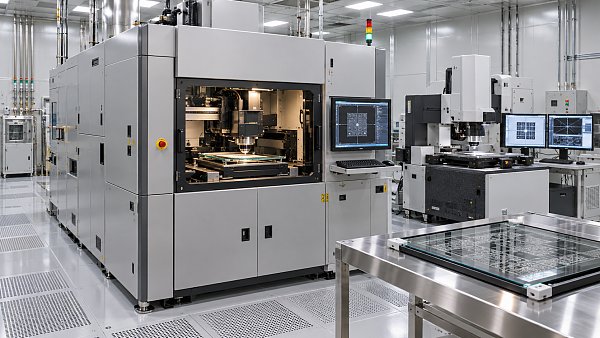
That is where ultra-precision engineering becomes commercially relevant. From micro-manipulation stages and pneumatic control modules to thin-film coatings and multi-sensory metrology, the enabling stack behind surgical micro-robotics now matters as much as the visible robotic platform itself.
Why 2026 Is a Turning Point for Surgical Micro-Robotics

By 2026, the market discussion will likely shift from broad robotic assistance to task-specific micro-robotic capability. Hospitals are increasingly evaluating systems for ophthalmology, neurosurgery, ENT procedures, vascular intervention, and targeted biopsy, where motion resolution below 100 microns can affect outcomes.
For business evaluators, the future of micro-robotics in surgery is less about headline automation and more about whether systems can reduce rework, shorten intervention time by 5% to 15%, and support consistent performance across 3 to 5 clinical use cases.
The engineering shift from macro robotics to micro intervention
Traditional surgical robots were optimized for dexterity, visualization, and ergonomic control. Micro-robotics introduces a different engineering requirement: stable motion in constrained anatomical spaces, often with travel ranges of only a few millimeters and error tolerance in the ±5 to ±20 micron band.
This raises demand for nano-positioning subsystems, low-hysteresis actuators, vibration isolation, and high-purity material interfaces. For evaluators in B2B purchasing, subsystem quality directly affects service life, calibration intervals, and validation burden.
What procurement leaders are now measuring
Clinical stakeholders may focus on usability, but procurement directors need a wider framework. In the future of micro-robotics in surgery, four dimensions dominate: positioning accuracy, compliance readiness, supply-chain resilience, and total cost of ownership over 3 to 7 years.
- Motion accuracy and repeatability under sterile operating conditions
- Software traceability, cybersecurity review, and validation documentation
- Availability of critical components with 8 to 16 week lead-time visibility
- Maintenance frequency, recalibration needs, and consumable replacement cycles
This is also why technical benchmarking repositories such as G-UPE are relevant to evaluators. Cross-domain comparison of coatings, gas purity, metrology, and precision motion systems can reveal hidden performance constraints before capital is committed.
Commercial implication for device manufacturers
Manufacturers preparing launches by 2026 must align product architecture with both clinical evidence and industrial manufacturability. A design that performs well in 20 prototypes but cannot maintain tolerance during scaled production will struggle in tender processes and post-market support.
The table below outlines the main adoption drivers that business evaluators should connect to capital planning, supplier audits, and commercialization timelines.
The key takeaway is that the future of micro-robotics in surgery will reward solutions built on measurable subsystem discipline. Accuracy, sterilization endurance, and supplier redundancy are becoming board-level procurement concerns, not purely engineering details.
Core Technologies Reshaping the Future of Micro-Robotics in Surgery
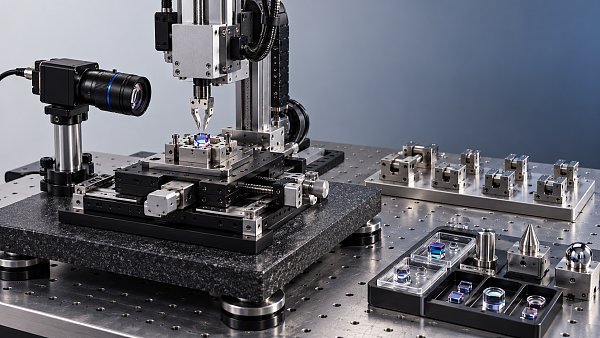
The next wave of value creation will come from enabling technologies that improve reliability at miniature scale. For evaluators, it is useful to assess not just the robotic arm or console, but the underlying precision ecosystem that determines whether the system performs consistently after 1,000 cycles, 10 sterilization rounds, or multi-site deployment.
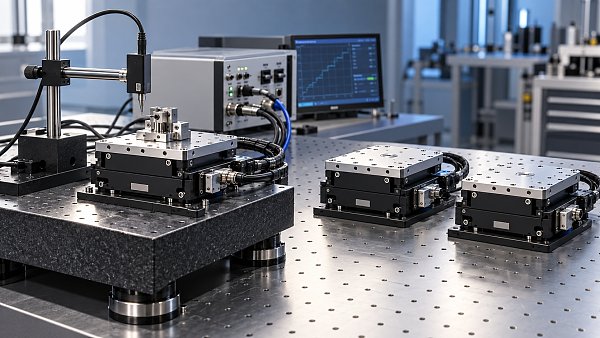
Micro-manipulation and nano-positioning systems
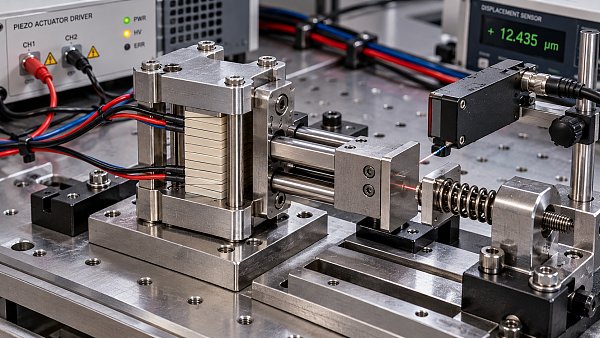
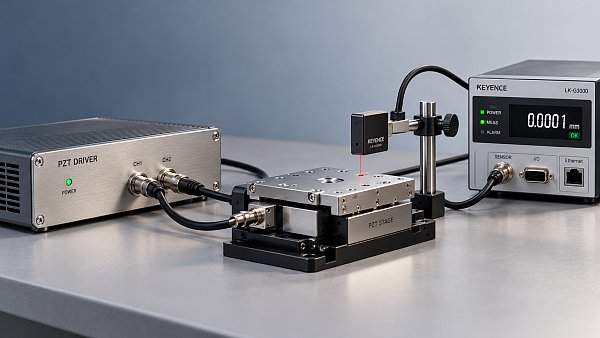
Micro-manipulation platforms provide the fine motion needed for tissue interaction, micro-suturing, retinal procedures, and electrode placement. Systems with interferometer-guided control, piezo-driven actuation, or ultra-fine pneumatic regulation can deliver sub-50 micron motion steps in compact travel envelopes.
For buyers, the practical question is not maximum theoretical precision. It is whether the platform maintains repeatability under thermal drift, sterilization exposure, and operating-room vibration. A motion stage that drifts by 10 to 30 microns during prolonged use can compromise clinical positioning claims.
Specialized coatings and thin-film deposition
Coatings play a larger role in the future of micro-robotics in surgery than many non-technical buyers expect. Low-friction surfaces can improve micro-tool movement, while thin-film barriers may support corrosion resistance, electrical insulation, or reduced particle generation.
Instruments and micro-actuated components often face repeated chemical cleaning, autoclave exposure, or plasma sterilization. Material stacks that degrade after 50 cycles can create hidden replacement costs. Evaluators should request test ranges, substrate compatibility, and wear data under realistic use conditions.
Precision pneumatic and fluid control
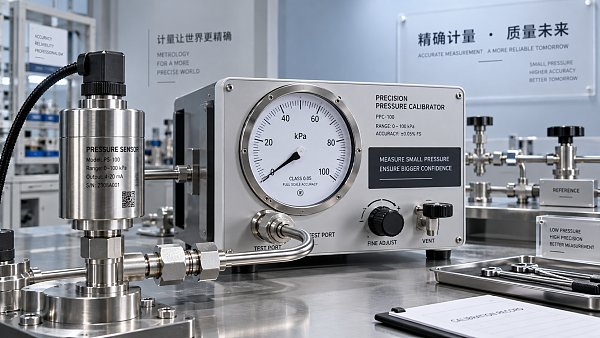
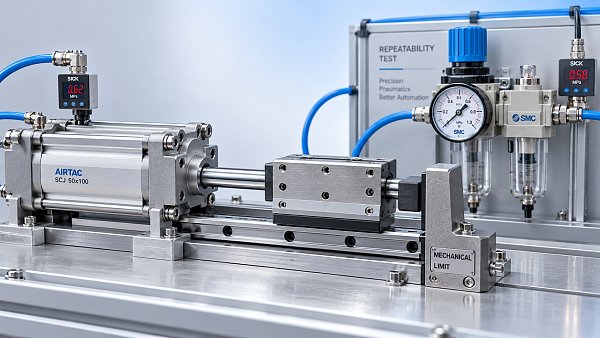
While electric actuation receives more attention, precision pneumatic and micro-fluidic control remain important in catheter guidance, pressure modulation, soft robotic gripping, and localized delivery systems. The difference between stable and unstable pressure behavior may be a control resolution of only a few millibars.
In procurement reviews, attention should be paid to response time, leak tolerance, clean-gas compatibility, and maintenance intervals. In many cases, a 20 to 40 millisecond response improvement can materially enhance control smoothness in delicate procedures.
Metrology and multisensory verification
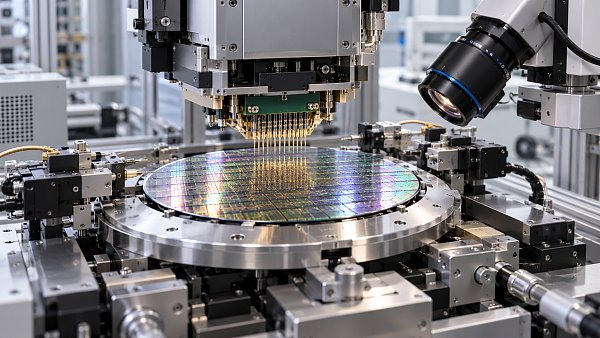
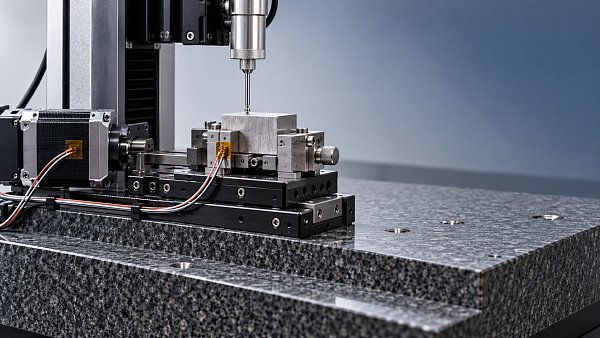
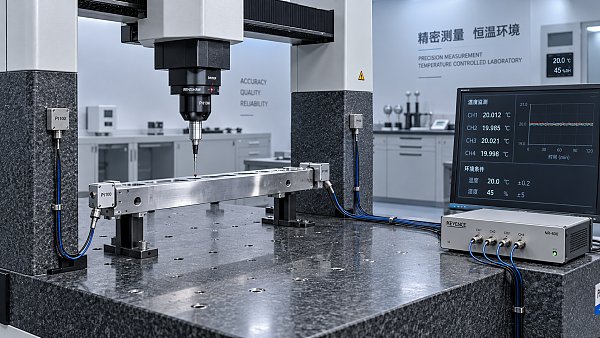
No micro-robotic platform can scale safely without verification. CMM systems, optical inspection, force sensing, and position feedback all support production release and field recalibration. For business evaluators, metrology maturity often predicts post-installation service burden better than marketing claims do.
A robust validation architecture should define at least 3 layers: factory acceptance measurement, installation qualification, and recurring performance verification. This reduces ambiguity when equipment moves from prototype lab to hospital procurement panel.
Technology screening checklist
- Confirm motion resolution, repeatability, and load stability under realistic operating conditions.
- Review coating and material compatibility with targeted sterilization pathways.
- Validate fluid, gas, and pressure control tolerances for the intended procedure class.
- Request metrology documentation covering pre-shipment and field maintenance checks.
- Map critical parts to lead times, export controls, and alternate sourcing options.
The future of micro-robotics in surgery will favor platforms that integrate these enabling layers early, rather than adding them after pilot feedback exposes reliability gaps.
Regulatory Readiness, Risk Control, and Supply-Chain Reality
By 2026, competitive advantage will depend as much on compliance execution as on engineering novelty. Hospitals and OEM partners are increasingly cautious about documentation quality, software change control, and component traceability, especially when systems combine mechanical precision with embedded intelligence.
Where commercial risk usually appears
In the future of micro-robotics in surgery, risk typically emerges in five places: unstable tolerances, incomplete supplier validation, unclear sterilization limits, software revision drift, and delayed regulatory evidence packaging. Any one of these can extend launch timelines by 3 to 9 months.
- Prototype-grade components used in pre-commercial builds
- Single-source precision parts with 12+ week replenishment cycles
- Insufficient correlation between engineering test data and clinical use conditions
- Inadequate maintenance planning for high-precision calibration systems
Why export control and purity standards matter
Some enabling components, materials, and specialty gases used in advanced manufacturing can be affected by international trade restrictions or documentation requirements. This is especially relevant where production depends on high-purity process inputs, precision optics, or specialized positioning hardware.
For device manufacturers, this means supply-chain due diligence must begin early. A component with ideal performance but uncertain cross-border availability may weaken tender credibility and delay after-sales support planning in key regions.
The following table helps business evaluators connect common risk areas to practical procurement controls before contract award or scaling decisions.
The most successful suppliers in the future of micro-robotics in surgery will not simply offer precision parts. They will provide auditable documentation, test transparency, and realistic risk-mitigation plans that procurement teams can defend internally.
A practical 4-step readiness model
A useful approach for evaluators is to break readiness into 4 stages: subsystem qualification, pilot integration, compliance packaging, and volume deployment planning. Each stage should have measurable acceptance criteria, named suppliers, and a defined escalation path.
How Business Evaluators Should Select Partners and Build a 2026 Procurement Case
For hospitals, OEMs, and strategic sourcing teams, a strong procurement case is built on evidence that connects technical precision to commercial predictability. The future of micro-robotics in surgery will reward buyers that compare platforms at subsystem level, not just at interface level.
What to ask suppliers before shortlisting
Shortlisting should go beyond demo performance. Ask for tolerance documentation, maintenance intervals, environmental operating ranges, and validation methods. A supplier that can define drift thresholds, cleaning limits, and spare-part lead times is usually lower risk than one that emphasizes only user features.
- What is the verified repeatability range under normal operating load?
- How many sterilization or cleaning cycles were tested, and by which method?
- Which components are sole-source, and what is the average replenishment window?
- What service tools, calibration devices, or training hours are required annually?
Partner characteristics that matter in ultra-precision sourcing
Organizations such as G-UPE add value because the decision environment is multidisciplinary. Micro-robotics in surgery depends on precision motion, thin films, metrology, fluid control, and purity-sensitive production workflows. Benchmarking across these pillars allows evaluators to compare technical claims against practical manufacturing and compliance realities.
This matters especially when preparing tenders or supplier panels for 2026. Buyers need verifiable engineering data, standards alignment, and visibility into adjacent risks such as patent congestion, export constraints, and quality assurance maturity.
Recommended decision criteria for 2026
- Prioritize platforms with transparent subsystem metrology and maintenance planning.
- Favor materials and coatings with demonstrated sterilization durability over theoretical claims.
- Require supplier disclosure on lead times, alternate sourcing, and export sensitivity.
- Quantify ownership cost over at least 3 years, including calibration, spare parts, and downtime.
- Assess whether the architecture can support 2 to 3 adjacent procedures, not only one niche indication.
The future of micro-robotics in surgery is not a single product trend. It is a sourcing and engineering convergence challenge. The most defensible investment cases will come from decision-makers who connect precision performance with documentation quality, manufacturing scalability, and lifecycle service economics.
By 2026, surgical micro-robotics will be judged on a stricter standard: can it deliver micron-level control, regulatory discipline, and reliable procurement outcomes at the same time? Evaluators who build their frameworks around measurable subsystem capability will be better positioned to identify durable market winners.
If your team is assessing enabling technologies, supplier benchmarks, or commercialization risks in this space, now is the right time to structure a data-driven review. Contact us to discuss tailored benchmarking support, evaluate procurement options, or explore more ultra-precision solutions for the future of micro-robotics in surgery.
Recent Articles
 2026.10.27India Hosts 61st CIML Meeting for First Time, Advances International Metrology AlignmentIndia hosts the 61st CIML meeting, highlighting OIML-CS status and legal metrology reforms. Explore what international alignment could mean for instrument certification and equipment trade.
 2026.10.27When should you call emergency medical services instead of driving?When should you call emergency medical services instead of driving? Learn the critical warning signs, why an ambulance can be safer, and what to do while help arrives.
 2026.10.26Mycronic Wins $12–14 Million Photomask System Order from Asian CustomerMycronic secures a $12–14 million photomask system order from an existing Asian customer. Explore the writing and measurement systems and their planned 2027 deliveries.
 2026.10.26Piezoelectric Actuator Selection: Balancing Stroke, Force, and BandwidthSelect the right piezoelectric actuator by balancing loaded stroke, force, and bandwidth. Explore key design checks to improve precision and avoid costly sizing mistakes.
 2026.10.26Layer Deposition Equipment: ALD vs. CVD for High-Aspect-Ratio FeaturesCompare layer deposition equipment for high-aspect-ratio features. Explore ALD vs. CVD conformality, throughput, and costs to choose the right system with confidence.
 2026.10.26Checking repeatability in bulk orders of encoder-feedback nano stagesCompare encoder feedback nano-positioning stage wholesale offers using repeatability tests, lot acceptance criteria, and traceable reports. Learn how to reduce risk and buy with confidence.
 2026.10.25Sidea Semiconductor Granted Patent for Probe Card Alignment CalibrationSidea Semiconductor's probe card alignment calibration patent aims for precise, low-cost automation without a calibration target. Explore its potential for semiconductor testing.
 2026.10.25How to assess long-term drift in a high-stability laser interferometerAssess long-term drift in a high stability laser interferometer with reliable reference tests, environmental tracking, and clear acceptance limits. Learn how to validate lasting measurement accuracy.
 2026.10.24SIA Submits Comments to EPA on Draft Trans-DCE Risk AssessmentSIA backs EPA’s draft Trans-DCE risk assessment for semiconductor manufacturing. Explore what its comments could mean for continued lawful use, supply stability, and production planning.
 2026.10.24How to size plastic extrusion machines for your target outputSize plasticextrusionmachines for your target output with practical throughput calculations, resin checks, and line-capacity tips. Avoid costly sizing mistakes and choose with confidence.
 2026.10.23Leadmicro Showcases Full ALD, CVD and PVD Lineup at Bay Area Semiconductor ExpoExplore Leadmicro’s ALD, CVD and PVD lineup at the Bay Area Semiconductor Expo, including magnetron sputtering solutions and key checks for smarter equipment procurement.
 2026.10.23How much does closed-loop control add to the price of PZT drivers?Understand PZT drivers price increases for closed-loop control. Compare sensors, electronics, and installation costs to make a smarter purchasing decision.
 2026.10.22Leadmicro Adds PVD Products, Expanding ALD, CVD and PVD CoverageLeadmicro expands ALD, CVD and PVD coverage with new iMagtron PVD products and a ruthenium ALD process. Explore what these advances mean for thin-film deposition and equipment buyers.
 2026.10.22What limits commercial adoption of micro-robotics in Latin America?Micro-robotics Latin America: What limits commercial adoption? Explore costs, integration hurdles, and service gaps—and learn how to reduce investment risks.
 2026.10.21NTT, Furukawa Electric and Partners Launch Photonics Mass-Production R&DExplore NTT and Furukawa Electric's photonics mass-production R&D with partners, targeting scalable chip manufacturing for energy-efficient AI computing and higher-bandwidth data centers.
 2026.10.21What ultra-precision engineering case studies reveal about thermal driftExplore ultra-precision engineering project cases to uncover hidden thermal drift, assess compensation, and learn what evidence to request before choosing a precision system.
 2026.10.20BASF Signs Letter of Intent with Taiwan Ministry to Expand Guanyin Semiconductor MaterialsBASF’s planned Guanyin semiconductor materials expansion targets sub-2nm manufacturing. Explore what its letter of intent with Taiwan’s Ministry of Economic Affairs could mean for chipmakers.
 2026.10.20How to estimate medical technology costs beyond the purchase priceEstimate medical technology cost beyond the purchase price. Uncover hidden expenses, compare lifecycle costs, and use this guide to make smarter procurement decisions.
 2026.10.1960 Minutes: Iran War Drives Global Helium Shortage, Threatening Semiconductor SupplyIran war-linked global helium shortage reportedly threatens semiconductor supply. Explore chipmaking risks and practical steps to verify inventories, shipments and supplier commitments.
 2026.10.19How to specify zinc coating weight for prepainted GI steel coilsSpecify zinc coating weight for prepainted gi steel coils with confidence. Learn how to define Z275, compare standards, and verify compliance to avoid costly purchasing mistakes.
 2026.10.18How linear motor stage settling time affects inspection throughputOptimize your linear motor stage for inspection systems: learn how settling time, vibration, and exposure timing affect throughput—and boost inspection output without sacrificing accuracy.
 2026.10.17Choosing a microfluidic probe manufacturer for stable flow confinementChoose a micro fluidic probe manufacturer with proven flow confinement. Compare geometry, flow control, validation, and repeatability to find the right fit for your application.
 2026.10.16What does measurement accuracy specified as % of full scale mean?Understand measurement specification accuracy as % of full scale. Learn to calculate error, compare sensor ranges, and choose the right instrument with confidence.
 2026.10.15How temperature affects high-accuracy dimensional analysis systemsDiscover how temperature affects high accuracy dimensional analysis systems, and learn practical ways to control thermal drift, improve compensation, and verify measurement accuracy.
 2026.10.14How air pressure affects precision pneumatic actuator repeatabilityPrecision Pneumatic actuator repeatability depends on more than supply pressure. Discover how pressure, friction, and flow affect positioning—and how to improve consistency in your application.
 2026.10.13How to choose a packaging manufacturer for small production runsChoose a packaging manufacturer for small production runs with confidence. Discover how to compare costs, verify samples, and secure quality packaging without excess inventory.
 2026.10.12Low-Impurity Silane Gas: Setting Acceptance Limits Beyond Total PurityEvaluate low impurity silane gas beyond total purity. Learn how to set contaminant limits, verify testing, and qualify suppliers for more reliable deposition.
 2026.10.12SEMI-Compliant Silane Gas: Which Specifications and Test Records Should You Check?SEMI compliant silane gas: Discover the standards, impurity limits, test records, and cylinder traceability checks that support confident purchasing and safer release decisions.
 2026.10.12Ultra-Pure Silane Gas Price: Comparing Quotes Beyond Cost per CylinderCompare ultra-pure silane gas price beyond cylinder costs. Learn how purity, usable quantity, freight, and return terms shape true value—and make a smarter purchasing decision.
 2026.10.12Moisture-Controlled Silane Gas: Tracing Water Contamination in Delivery LinesKeep moisture controlled silane gas reliable. Learn how to validate readings, trace water contamination in delivery lines, and verify recovery with safety-focused diagnostic insights.
 2026.10.12What Does 99.99999% Silane Gas Mean? Understanding 7N Purity and Detection LimitsEvaluate 99.99999 silane gas with confidence. Discover what 7N purity means, how detection limits affect results, and which supplier data to check before qualification.
 2026.10.12Ultra-Pure Silane Gas for Thin Films: Matching Gas Grade to Film RequirementsChoose ultra-pure silane gas for thin films with confidence. Learn to match impurity limits, supplier evidence, and delivery conditions to film requirements while avoiding unnecessary costs.
 2026.10.12Ultra-Pure Silane Gas for PECVD: Linking Impurities to Film DefectsQualify ultra-pure silane gas for PECVD with confidence. Learn how impurities affect film defects and use gas analysis, delivery checks, and film testing to set reliable acceptance limits.
 2026.10.12Qualifying an Ultra-Pure Silane Gas Manufacturer: Batch Consistency and TraceabilityQualify an ultra-pure silane gas manufacturer with confidence. Learn how to verify batch consistency, analytical results, and cylinder traceability to reduce sourcing risks.






















FILTER_CORE
REF_NO: 0042
Editors' Picks
- 00
0000-00
India Hosts 61st CIML Meeting for First Time, Advances International Metrology Alignment - 00
0000-00
When should you call emergency medical services instead of driving? - 00
0000-00
Mycronic Wins $12–14 Million Photomask System Order from Asian Customer - 00
0000-00
Piezoelectric Actuator Selection: Balancing Stroke, Force, and Bandwidth