
Vibration Isolation Table Wholesale Buying Risks
Entering the vibration isolation table wholesale market can expose procurement teams to hidden risks, from overstated damping performance and unstable supply chains to weak compliance documentation. For buyers in precision-driven industries, understanding these pitfalls is essential to protect equipment accuracy, project timelines, and total procurement value before committing to large-volume orders.
In semiconductor processing, metrology, photonics, biomedical engineering, and aerospace assembly, a vibration isolation table is not a basic furniture item. It is a functional platform that can directly influence measurement repeatability, alignment stability, and process yield.
For procurement professionals managing multi-site sourcing or OEM supply programs, vibration isolation table wholesale decisions often involve 3 competing pressures: technical performance, delivery reliability, and commercial control. Missing any one of these can create downstream cost far beyond the original purchase price.
This article explains the major buying risks, the verification steps that reduce exposure, and the sourcing criteria that matter most when evaluating bulk orders for precision environments.
Why Vibration Isolation Table Wholesale Carries Higher Procurement Risk

Wholesale procurement changes the risk profile because errors scale quickly. A single specification mismatch in a 20-unit order can disrupt multiple laboratories, cleanroom stations, or inspection cells at the same time.
In high-precision sectors, acceptable vibration conditions are often narrow. Some applications target low natural frequency isolation in the 1.5 Hz to 3 Hz range, while load capacity may vary from 100 kg to more than 1000 kg depending on the instrument.
Performance Claims Are Often Harder to Verify Than They Appear
Many suppliers promote broad statements such as “high damping” or “excellent stability,” but buyers need measurable performance indicators. Without transmissibility curves, resonance data, or payload-specific test conditions, those claims provide limited procurement value.
A table that performs well at 150 kg may behave differently at 400 kg. The same unit may also respond differently to floor vibration at 5 Hz, 10 Hz, or 30 Hz. This is a common risk in vibration isolation table wholesale contracts.
Design Standardization Can Hide Application Mismatch
Wholesale catalogs often prioritize standard sizes such as 600 × 900 mm, 900 × 1200 mm, or 1200 × 1800 mm. However, instrument footprint, center of gravity, cable drag, and utility routing may require application-specific adaptation.
If the selected table lacks sufficient rigidity, leveling precision, or isolation method for the real operating environment, the result may be drift, rework, or instrument recalibration. In some facilities, this can add 2 to 6 weeks to equipment commissioning.
Commonly Overlooked Conditions
- Floor vibration spectrum near heavy machinery or air handling systems
- Utility line movement from gas, vacuum, or coolant connections
- Dynamic loads caused by stage motion, robotic pick-and-place, or operator contact
- Cleanroom, ESD, or chemical resistance requirements
The table below shows where wholesale buyers most often misjudge risk during early-stage evaluation.
The main lesson is simple: in vibration isolation table wholesale sourcing, the sample is only the starting point. Procurement teams must validate performance, production consistency, and documentation quality at batch scale.
Technical Risks That Can Undermine Precision Operations
Technical risk is the most expensive category because it affects the value of the equipment installed on top of the table. A low-cost sourcing win can become a high-cost operational loss if the platform fails to support process tolerance.
Passive vs Active Isolation Misalignment
Not every application needs active isolation, but not every application can rely on passive systems either. Passive air tables are often suitable for general metrology or optical inspection, while active systems may be necessary in vibration-heavy buildings or for sub-micron positioning tasks.
Buyers should compare site conditions, frequency sensitivity, and payload dynamics before issuing a wholesale RFQ. For example, if floor vibration below 5 Hz is significant, a standard passive solution may not be sufficient.
Surface Flatness, Rigidity, and Damping Are Different Things
A polished tabletop surface does not guarantee structural performance. Procurement teams should separately assess flatness tolerance, frame stiffness, and damping behavior. These are related, but not interchangeable, engineering characteristics.
For optical benches and ultra-precision metrology stations, localized deflection, even in fractions of a millimeter under asymmetric loading, may affect alignment or repeatability. In vibration isolation table wholesale, these details should be specified in technical annexes.
Key Parameters to Confirm Before Order Release
- Payload range and recommended operating load, such as 60% to 80% of rated capacity
- Isolation type: elastomer, pneumatic, hybrid, or active electronic control
- Resonant frequency or isolation onset range
- Leveling adjustment resolution and stability over 24 to 72 hours
- Top material, chemical resistance, and cleanroom suitability
- Accessory compatibility for shelves, enclosures, casters, or cable pass-through
The following comparison helps procurement teams match technical needs to common sourcing options.
For procurement directors, the best choice is rarely the most advanced model by default. It is the one with the lowest lifecycle mismatch risk for the intended installation environment.
Commercial and Supply Chain Risks in Bulk Orders
A technically acceptable product can still become a procurement failure if the supplier cannot scale output, maintain consistency, or support post-delivery service across regions. This is especially relevant in cross-border vibration isolation table wholesale programs.
Lead Time Compression Often Creates Hidden Variability
Sample units may ship in 7 to 15 days, but batch production can take 4 to 10 weeks depending on welded structures, granite tops, air isolation modules, and packaging requirements. Procurement plans should distinguish prototype lead time from serial delivery capacity.
If the supplier depends on 1 or 2 critical subcontractors for vibration mounts or precision surfaces, schedule risk increases sharply. This becomes more severe when installation milestones across several facilities are linked to a single PO release.
Packaging, Transit, and On-Site Handling Are Underrated
Precision tables can be damaged long before use. Bulk orders require shock-resistant packaging, humidity control where needed, and clear handling instructions for forklifts, pallet jacks, or crane lifting. A damaged frame or misaligned top can invalidate factory testing.
Buyers should also confirm whether the shipment includes leveling hardware, air regulation accessories, and reassembly guidance. Missing low-value components can delay deployment by several days per site.
Commercial Controls Procurement Teams Should Use
- Batch quality hold points before final packing
- Defined tolerance acceptance list in the purchase agreement
- Partial shipment rules and penalty language for critical delays
- Spare parts commitment for 12 to 24 months
- Clear warranty scope for isolation modules, valves, and structural defects
The table below outlines commercial checkpoints that reduce sourcing exposure in vibration isolation table wholesale projects.
In many B2B environments, the most valuable supplier is not only the one with a competitive quotation, but the one able to maintain documentation discipline, shipment predictability, and technical responsiveness across the full order cycle.
How Procurement Teams Should Evaluate Suppliers Before Wholesale Commitment
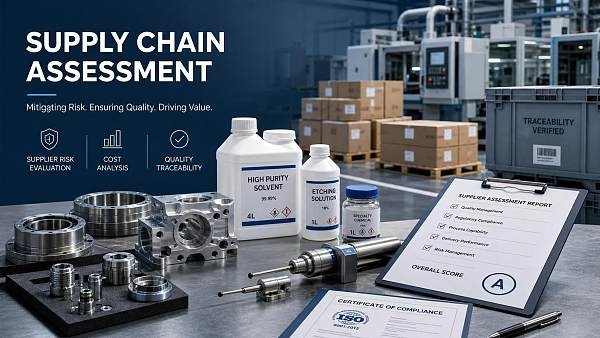
A disciplined sourcing process reduces risk significantly. For high-value vibration isolation table wholesale projects, it is useful to combine technical review, factory validation, and contractual control into one structured workflow.
A 5-Step Evaluation Framework
- Define the use case with payload, environment, and sensitivity threshold.
- Request detailed technical files, not only brochures and quotations.
- Validate sample or pilot units under realistic operating conditions.
- Audit production readiness, packaging method, and documentation process.
- Lock acceptance criteria, support scope, and delivery milestones in writing.
This 5-step process is especially relevant when tables support CMM systems, optical alignment stations, semiconductor inspection tools, or nano-positioning assemblies where installation failure has a multiplier effect.
Documentation Buyers Should Not Skip
At minimum, procurement teams should request general arrangement drawings, load specifications, leveling instructions, packing details, maintenance guidance, and available conformity documents relevant to destination markets and industrial use.
Where applicable, buyers should also review material declarations, surface treatment details, pneumatic circuit information, and any available test records linked to vibration behavior or dimensional inspection. These are practical controls, not paperwork formalities.
Questions to Ask During Supplier Review
- What is the tested payload range for the proposed configuration?
- How does performance change at different load distributions?
- What is the batch lead time for 10, 25, or 50 units?
- Which components are made in-house and which are outsourced?
- What is the recommended maintenance interval for air isolation parts?
- How quickly can replacement parts be shipped internationally?
For organizations operating in regulated or highly audited sectors, a supplier’s ability to provide consistent records can be as important as the mechanical design itself. This is where technical benchmarking and procurement intelligence become valuable decision tools.
G-UPE supports procurement teams by connecting engineering validation with commercial foresight. In categories where micron-level stability, process integrity, and compliance traceability matter, a structured review framework can prevent costly sourcing mistakes before they reach the installation floor.
Frequent Buying Mistakes and How to Avoid Them
Even experienced buyers can misjudge vibration isolation table wholesale programs when they focus too heavily on unit price or sample appearance. The most common errors usually emerge from incomplete requirement definition.
Mistake 1: Buying by Catalog Image Instead of Use Condition
Two tables with similar dimensions can perform very differently under real instrument loads. A buyer should always map the intended equipment mass, center of gravity, and utility motion before final selection.
Mistake 2: Treating All Sites as Technically Identical
A plant with nearby compressors, stamping lines, or frequent forklift traffic may need a different isolation strategy than a quiet inspection room. Multi-site orders should include at least 2 or 3 environment categories where conditions vary.
Mistake 3: Underestimating Service and Spare Planning
Wholesale procurement should not end at delivery. If pneumatic regulators, valves, or leveling elements fail, a lack of spare kits can stop a workstation. A simple 12-month spare plan is often more valuable than a marginal discount on the initial PO.
Practical Prevention Checklist
- Match technical specification to the actual instrument and environment.
- Require measurable performance language in quotations.
- Separate sample approval from batch approval.
- Review packaging and installation readiness before shipment.
- Secure service response and spare support in the contract.
Vibration isolation table wholesale can deliver strong value when standardization, volume pricing, and deployment planning are handled correctly. The risk appears when buyers assume that precision support equipment is interchangeable across different technical contexts.
For procurement teams in precision-driven industries, the best strategy is to evaluate wholesale offers through the combined lens of engineering performance, supply chain resilience, and documentation completeness. That approach protects equipment accuracy, shortens commissioning risk, and improves total ownership outcomes.
If you are reviewing vibration isolation table wholesale options for metrology, semiconductor, photonics, biomedical, or advanced manufacturing projects, now is the right time to strengthen your supplier assessment framework. Contact us to discuss your sourcing criteria, request a tailored evaluation approach, or learn more solutions for precision procurement.
Recent Articles
 2026.07.04KATS Tightens Harmonic Immunity Rules for X-ray MetrologyKATS Tightens Harmonic Immunity Rules for X-ray Metrology in South Korea. Learn what KS C IEC 61000-4-30:2026 means for exporters, Class A testing, and shipment readiness.
 2026.07.04Japan Starts Purity Watch Filing for E-Gas ImportsJapan starts Purity Watch filing for e-gas imports from July 15, 2026. Learn the 72-hour rule, required purity documents, port-hold risks, and how importers can stay compliant.
 2026.07.04Revised EN ISO 13849-1:2026 Takes Effect for Micro-ActuatorsEN ISO 13849-1:2026 now applies to micro-actuators in the EU, requiring PL verification and complete technical files. Learn what manufacturers, integrators, and buyers must do next.
 2026.07.04PVD Target Lead Times Hit 18 Weeks as China Certifications AdvancePVD Target lead times have stretched to 18 weeks as China certifications advance. Learn how supply shifts, EU direct access, and sourcing risks could impact procurement and semiconductor supply chains.
 2026.07.04BIS Adds ALD/CVD Skids to Export Controls From July 10BIS adds ALD/CVD skids to export controls from July 10, reshaping licensing for chip equipment exports. Learn how the rule affects OEMs, procurement, compliance, and cross-border delivery planning.
 2026.07.04How to Evaluate a Laser Interferometer Exporter in 2026Laser interferometer exporter evaluation in 2026 starts with technical credibility, compliance, delivery stability, and service support. Read this practical guide to choose with confidence.
 2026.07.04Semiconductor Wet Process Chemicals: Purity Specs That MatterSemiconductor wet process chemicals demand more than label-grade purity. Learn which specs—trace metals, particles, TOC, assay, and packaging control—protect yield, safety, and fab stability.
 2026.07.04High Precision Goniometer Manual: Setup, Calibration, and UseHigh precision goniometer manual for accurate setup, calibration, and daily use. Learn how to improve angular alignment, repeatability, and process confidence across precision applications.
 2026.07.04Zero-Defect Manufacturing Best Practices for Process StabilityZero-Defect Manufacturing best practices for process stability: learn how to reduce variation, strengthen supplier control, improve traceability, and prevent costly defects.
 2026.07.04Fiber Optic Alignment Sub Micron: Key Error Sources and FixesFiber optic alignment sub micron accuracy drives coupling yield and reliability. Discover key error sources, proven fixes, and practical tips to improve precision in production.
 2026.07.03KATS Tightens KRISS Traceability for Laser InterferometryKATS Tightens KRISS Traceability for Laser Interferometry in South Korea. Learn how the July 15 rule affects calibration certificates, compliance, deliveries, and Korean orders.
 2026.07.03Japan Sets 8ms Force-Feedback Limit for Surgical Micro-RobotsJapan sets an 8ms force-feedback limit for surgical micro-robots under JIS T 0601-2-102:2026. See who is affected, the Oct. 1 deadline, and how to prepare for Japan market access.
 2026.07.03EN 61000-6-4:2026 Takes Effect for CMM EMC TestsEN 61000-6-4:2026 takes effect for CMM EMC tests, making 1-6 GHz radiated emission compliance mandatory in the EU. Learn how this impacts exporters, certification, and market access.
 2026.07.03SEMI Report Puts MFC Lead Times at 22 WeeksSEMI Report Puts MFC Lead Times at 22 Weeks: learn how longer Mass Flow Controller lead times, pre-booking, and supply chain shifts may impact semiconductor procurement and planning.
 2026.07.03BIS Adds Piezo Valves to CCL, Affecting China SuppliersBIS adds piezo valves to the CCL under ECCN 3A225, impacting China suppliers with new export license review, customs, and delivery risks. Learn what this means for compliance and global shipments.
 2026.07.03Paper Products Market Trends in 2026: Cost, Demand, and Material ShiftsPaper products market trends in 2026 reveal shifting demand, volatile costs, and material changes across packaging, hygiene, and industry. Explore key risks and opportunities now.
 2026.07.03Specification Preparation for Bioprocessing: Common Gaps to Fix EarlySpecification preparation for bioprocessing often fails on vague assumptions, weak acceptance criteria, and supplier gaps. Learn what to define early to reduce rework, delays, and compliance risk.
 2026.07.03Atomic Layer Deposition Reactor: Key Specs That Affect Film QualityAtomic Layer Deposition reactor specs directly shape film quality. Learn how temperature, precursor dosing, purge control, and chamber design impact uniformity, defects, and process reliability.
 2026.07.03Semi Automatic Wafer Probe Stations vs Manual: Which Fits Better?Semi automatic wafer probe stations vs manual systems: discover which delivers better repeatability, throughput, and data confidence for your wafer testing needs.
 2026.07.03Wafer Probe Stations Price: What Changes Total Cost in 2026?Wafer probe stations price in 2026 depends on accuracy, thermal range, software, service, and total ownership cost. Discover what really changes budgets before you buy.
 2026.07.02KFDA Adds Dynamic Biocompatibility Test for Micro-RobotsKFDA adds dynamic biocompatibility test for Micro-Robots under ISO 10993-18:2025. Learn how the new rule impacts registration, suppliers, compliance, and launch planning.
 2026.07.02METI Fast-Tracks Nano-Positioning Stages for Medtech and Chip ToolsNano-Positioning Stages face a new METI fast-track: 48-hour import review for medtech and chip tools, driven by ISO 10360-2 and laser interferometry proof. See what suppliers and buyers must prepare.
 2026.07.02EU Rule 2026/1187 Takes Effect for Gas TraceabilityEU Rule 2026/1187 takes effect for gas traceability, requiring Purity Watch digital identity for electronic gases like SiH4, NF3 and WF6. Learn the customs, logistics and compliance impact now.
 2026.07.02SEMI Report Flags 26-Week Lead Time for ALD/CVD SkidsSEMI report flags a 26-week lead time for ALD/CVD skids, citing high-purity gas volatility and Flow Logic certification delays. See how China pressure and Southeast Asia assembly shifts may impact sourcing.
 2026.07.02BIS Adds Micro-Actuator Controls, Flags 17 China MakersBIS adds micro-actuator controls and flags 17 China makers, reshaping compliance, customs timing, and sourcing risk. Learn what overseas buyers should check now.
 2026.07.02Multi Axis Stage Market in 2026: Growth Signals, Pricing Pressure, and Demand ShiftsMulti axis stage market outlook for 2026: explore growth signals, pricing pressure, and demand shifts across precision automation, semiconductors, metrology, and high-value applications.
 2026.07.02How to Read Nano-Stage Settled Time Metrics Data for Motion PerformanceNano-stage settled time metrics data explained clearly: learn how to read traces, spot overshoot, verify stability, and make smarter motion performance decisions.
 2026.07.02What Procurement Intelligence Services Reveal About Supplier Risk and CostProcurement Intelligence services reveal hidden supplier risk, true cost drivers, and compliance gaps—helping buyers cut surprises, protect margins, and choose stronger sourcing partners.
 2026.07.02Capacitive Sensor for Positioning in Europe: Key Accuracy Checks Before SelectionCapacitive sensor for positioning Europe buyers: learn the 5 key accuracy checks—linearity, repeatability, thermal drift, EMC, and calibration traceability—before you select.
 2026.07.02How to Evaluate a PZT Drivers Distributor for Stable Supply and SupportPZT drivers distributor evaluation guide: learn how to compare supply stability, technical support, compliance, and after-sales service to reduce risk and choose with confidence.
 2026.07.01MFDS Raises Entry Test Bar for In-Body Micro-RobotsMFDS Raises Entry Test Bar for In-Body Micro-Robots: learn how South Korea’s new dynamic biocompatibility rule may impact submissions, suppliers, testing plans, and market-entry timing.
 2026.07.01METI Opens Fast-Track Imports for Nano-Positioning StagesMETI fast-tracks imports for Nano-Positioning Stages with zero tariffs and 48-hour review. See how ISO 13485 and ±5 nm proof can speed medical device supply chains.
 2026.07.01EU Mandates Digital Traceability for Electronic Specialty GasesEU Mandates Digital Traceability for Electronic Specialty Gases: learn how Regulation (EU) 2026/1187, EU-Trace labels, and customs rules will reshape compliance, supply chains, and market access.
 2026.07.01SEMI China Q2 Report: ALD/CVD Skids Lead Times Top 24 WeeksSEMI China Q2 Report shows ALD/CVD skids lead times topping 24 weeks as vacuum chamber and valve constraints deepen. See what it means for chipmakers, suppliers, and sourcing strategy.
















FILTER_CORE
REF_NO: 0042