Event Overview
Huawei Cloud released the “Tao Law” technical framework on May 30, 2026. According to the available information, the framework proposes replacing conventional nanometer-level geometric scaling with sub-picosecond timing synchronization.
The framework is described as pushing Laser Interferometry and Nano-Positioning Stages toward a “dynamic accuracy” paradigm. It has also been included in the IEEE P2892 draft standard, which requires next-generation equipment to maintain a ±0.3 nm steady-state error at motion frequencies above 10 Hz.
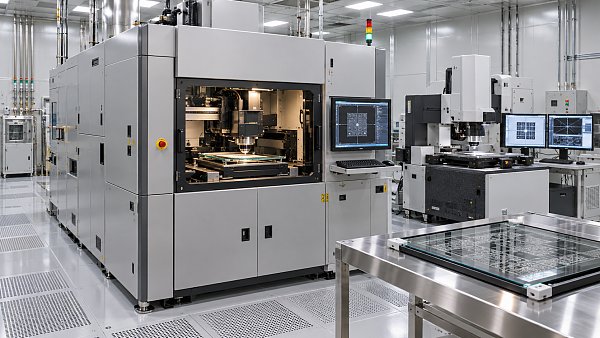
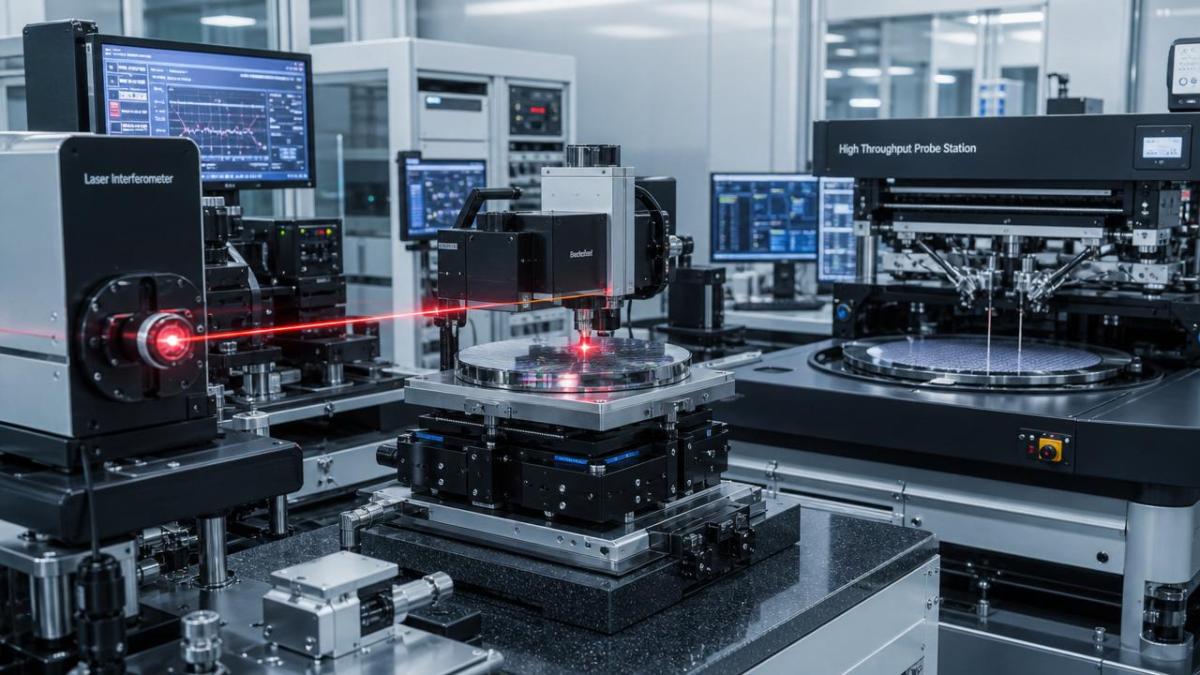
The publicly stated areas of direct relevance include lithography workpiece stages, EUV mask inspection, and high-throughput Probe Stations, particularly where equipment selection depends on motion stability, interferometric measurement performance, and nanoscale positioning reliability.
Subsectors Likely to Be Affected
Laser Interferometry Equipment Suppliers
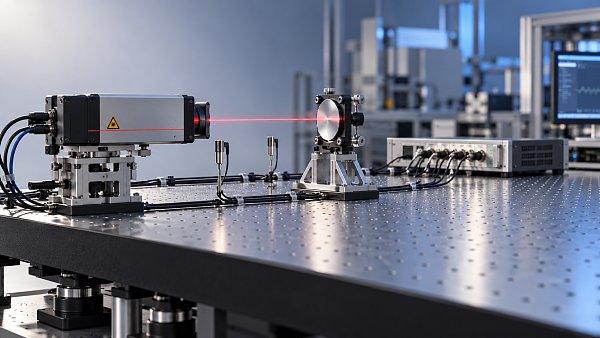
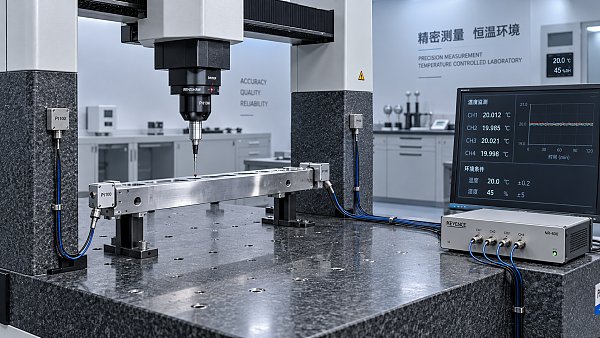
Laser Interferometry suppliers may be affected because the proposed benchmark emphasizes performance during movement rather than only static or low-frequency measurement conditions. If the IEEE P2892 draft requirement continues to develop in this direction, equipment evaluation may place more weight on whether interferometry systems can support stable measurement at motion frequencies above 10 Hz while contributing to ±0.3 nm steady-state error control.
From an industry perspective, the impact may appear in product specification language, customer acceptance testing, and comparative benchmarking. Suppliers may need to clarify whether their systems are being evaluated under static accuracy, repeatability, or dynamic motion conditions.
Nano-Positioning Stage Manufacturers
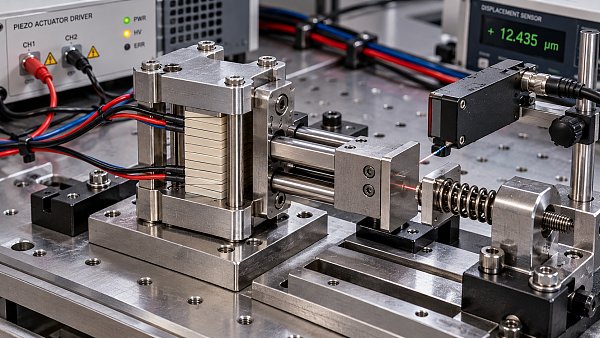
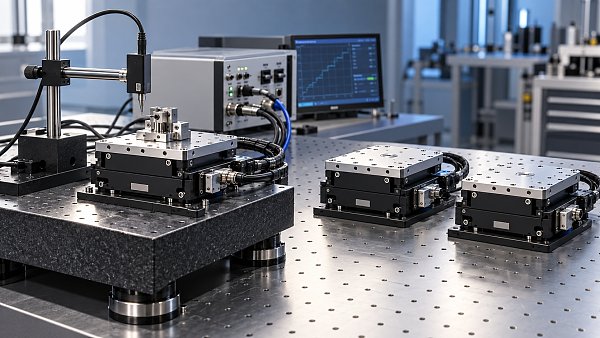
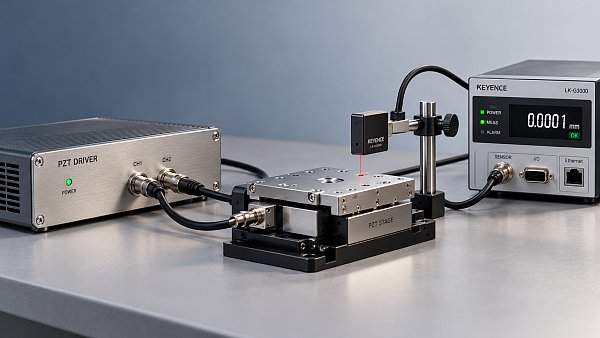
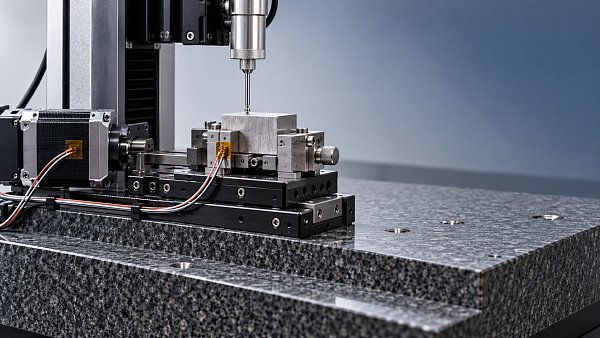
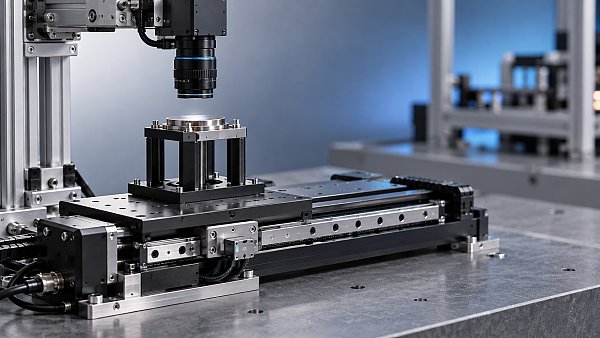
Nano-Positioning Stage manufacturers are directly connected to the framework because the disclosed requirement focuses on maintaining nanoscale error control during motion. This may affect how positioning platforms are designed, validated, and presented to customers in precision manufacturing and inspection scenarios.
Analysis shows that the key issue is not only whether a stage can reach nanometer-level positioning, but whether it can maintain controlled error when the operating frequency exceeds 10 Hz. This could influence motion controller requirements, timing synchronization evaluation, and acceptance criteria in procurement projects.
Lithography Workpiece Stage Users and Integrators
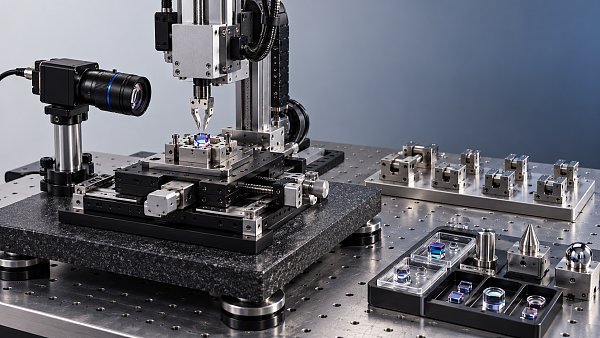
Lithography workpiece stages are specifically mentioned in the event summary as a directly affected selection area. These systems depend on coordinated metrology, positioning, and motion control. A shift toward dynamic accuracy may influence how integrators and end users compare stage platforms and measurement subsystems.
What deserves closer attention now is whether future procurement documents begin to reference IEEE P2892 draft indicators or similar dynamic-performance language. If so, selection logic may move beyond nominal positioning resolution toward verified stability under defined motion-frequency conditions.
EUV Mask Inspection Equipment Teams
EUV mask inspection is another application area identified in the disclosed information. Such equipment relies on precise positioning and measurement performance during inspection workflows. If dynamic accuracy becomes a more visible benchmark, inspection equipment teams may need to reassess how motion behavior affects measurement consistency.
Observably, the relevance lies in test conditions. Equipment that performs well under static calibration may need additional validation under moving-stage conditions, especially where inspection throughput and positioning precision are both important.
High-Throughput Probe Station Operators
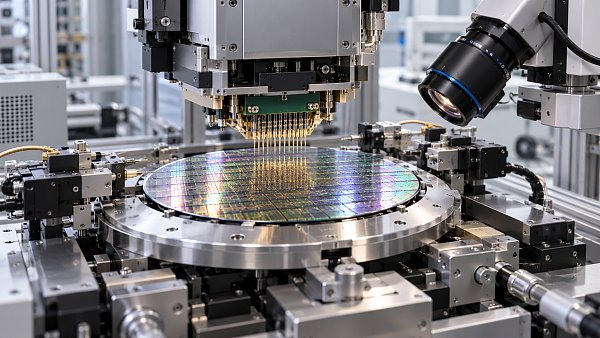
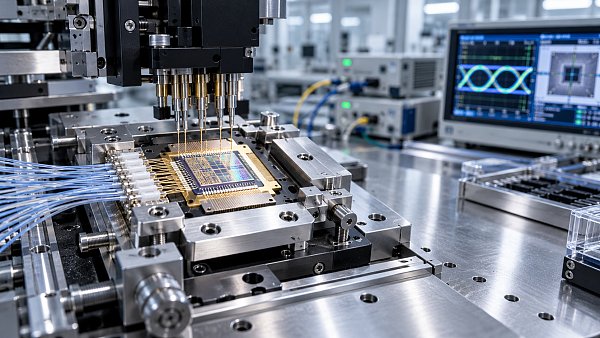
High-throughput Probe Stations may also be affected because throughput requirements usually involve repeated movement and positioning. The disclosed framework directly links next-generation equipment selection to maintaining ±0.3 nm steady-state error above 10 Hz, which could influence how probe station users evaluate positioning subsystems.
It is more appropriate to understand this as a potential change in evaluation focus: from whether a platform can position accurately in isolation to whether it can sustain precision during repeated, higher-frequency motion patterns.
What Companies and Practitioners Should Watch and How to Respond
Track IEEE P2892 Draft Development and Official Statements
Companies should monitor subsequent IEEE P2892 draft updates and official statements related to the Tao Law framework. Since the disclosed information refers to inclusion in a draft standard, businesses should distinguish between draft-stage technical direction and finalized compliance requirements.
From an industry perspective, procurement, engineering, and compliance teams should avoid treating draft language as a completed mandate, while still preparing for the possibility that dynamic accuracy indicators may become more influential in equipment selection.
Review Test Conditions in Procurement and Acceptance Documents
Equipment buyers should review whether current procurement documents clearly define test frequency, motion profile, steady-state error, and measurement conditions. The disclosed benchmark of maintaining ±0.3 nm steady-state error above 10 Hz makes test context especially important.
Analysis shows that a specification stating only nanometer-level accuracy may be insufficient if future comparisons emphasize dynamic performance. Buyers and suppliers should align on whether performance is measured under static, low-speed, or above-10 Hz motion conditions.
Separate Technical Signals from Immediate Business Implementation
Companies should not assume that all existing equipment selection processes will change immediately. The more practical response is to identify which projects are most exposed: lithography workpiece stages, EUV mask inspection systems, and high-throughput Probe Stations are the application areas directly named in the disclosed information.
It is more appropriate to understand the current event as a technical and standards-related signal rather than a fully settled market outcome. Teams should prepare internal evaluation criteria without overstating unconfirmed implementation timelines.
Prepare Supplier Communication Around Dynamic Accuracy
End users should ask suppliers to clarify how Laser Interferometry systems and Nano-Positioning Stages perform under motion frequencies above 10 Hz. Suppliers, in turn, should prepare clearer documentation explaining steady-state error behavior, timing synchronization assumptions, and test boundaries.
What deserves closer attention now is communication consistency. If customers, integrators, and component suppliers use different definitions of dynamic accuracy, equipment comparison may become difficult and procurement risk may increase.
Editor’s View / Industry Observation
Observably, the Tao Law framework places timing synchronization at the center of precision-performance discussion. For Laser Interferometry and Nano-Positioning Stages, this may indicate a shift from geometry-centered scaling toward time-coordinated measurement and control.
Analysis shows that the most important industry implication is the possible redefinition of performance benchmarks. The disclosed requirement of ±0.3 nm steady-state error above 10 Hz gives buyers and suppliers a more motion-oriented reference point, especially in advanced manufacturing and inspection equipment.
It is more appropriate to understand this event as a standards-linked signal that may influence future selection logic, rather than as proof that all market requirements have already changed. The reason the industry should continue to follow it is that draft standards, once refined, can affect procurement language, supplier qualification, and product validation practices.
Conclusion
The release of Huawei Cloud’s Tao Law framework on May 30, 2026, is significant because it connects sub-picosecond timing synchronization with the performance evaluation of Laser Interferometry and Nano-Positioning Stages. Its inclusion in the IEEE P2892 draft standard makes the development especially relevant to lithography workpiece stages, EUV mask inspection, and high-throughput Probe Stations.
From an industry perspective, the event should be viewed as a potential turning point in how precision systems are assessed under motion. The current, more balanced approach is to treat it as an important technical and standards signal, continue tracking official updates, and begin reviewing whether existing procurement and validation practices are ready for dynamic-accuracy requirements.
Information Source Statement
Main source: Provided event information on Huawei Cloud’s May 30, 2026 release of the Tao Law technical framework and its inclusion in the IEEE P2892 draft standard.
Items requiring continued observation: further official statements from Huawei Cloud, subsequent IEEE P2892 draft updates, and how equipment buyers apply dynamic-accuracy requirements in actual procurement and acceptance processes.