
How to Vet an Outdoor Furniture Supplier
How to Vet an Outdoor Furniture Supplier
Choosing the right outdoor furniture supplier is not just a matter of style or price. It affects durability, compliance, delivery reliability, and long-term sourcing risk.
A structured vetting process separates capable factories from vendors with weak material control, unstable quality systems, vague certifications, or limited after-sales support.

Why a Checklist Matters When Selecting an Outdoor Furniture Supplier
Outdoor furniture faces ultraviolet exposure, rain, salt air, temperature swings, abrasion, and heavy daily use. These conditions punish weak design and inconsistent production.
A reliable outdoor furniture supplier should prove performance with test reports, repeatable production records, transparent sourcing, and documented corrective action procedures.
Checklist-based evaluation also reduces emotional buying. It turns showroom appeal into measurable evidence, making supplier comparison clearer and contract negotiation safer.
Core Checklist for Vetting an Outdoor Furniture Supplier
Use the following checklist before approving any outdoor furniture supplier. Each point should be supported by documents, samples, factory evidence, or verified references.
- Verify business registration, export history, ownership structure, and operating years before discussing pricing or product customization with the outdoor furniture supplier.
- Request factory location details, production capacity, workshop photos, equipment lists, and subcontracting disclosure to confirm real manufacturing control.
- Inspect material specifications for aluminum, steel, teak, rope, rattan, fabrics, foam, fasteners, coatings, and packaging components.
- Check whether powder coating, anodizing, galvanizing, kiln drying, weaving, welding, and assembly follow documented process standards.
- Ask for UV resistance, corrosion resistance, colorfastness, load capacity, stability, and salt spray test reports from recognized laboratories.
- Review quality control checkpoints covering incoming inspection, in-process inspection, pre-shipment inspection, sampling plans, and defect classification rules.
- Compare production samples with catalog images, technical drawings, material swatches, and approved color standards before confirming bulk orders.
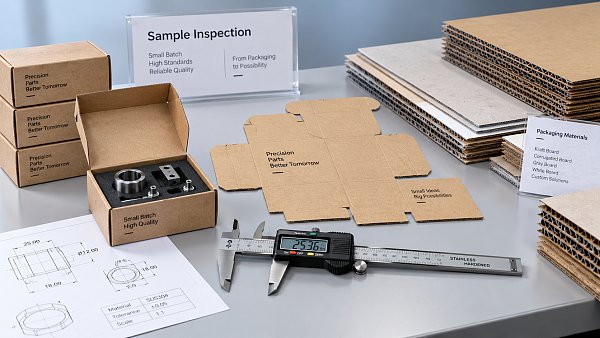
- Evaluate packaging design for drop resistance, moisture protection, container loading efficiency, spare parts labeling, and assembly instruction clarity.
- Confirm compliance with destination market requirements, including flammability, chemical restrictions, wood legality, labeling, and product safety rules.
- Assess communication speed, technical accuracy, quotation detail, claim handling attitude, and willingness to provide traceable production evidence.
Material and Construction Checks
Material consistency is the backbone of outdoor durability. A competent outdoor furniture supplier should specify grades, origins, tolerances, and surface treatments.
For aluminum furniture, review alloy grade, tube thickness, weld quality, pretreatment, and powder coating thickness. Thin frames may deform during transport or use.
For steel products, corrosion control matters most. Confirm galvanizing, e-coating, powder coating, drainage design, and rust prevention at welded joints.
For wooden furniture, ask about moisture content, kiln drying, FSC or equivalent documentation, joinery method, oil treatment, and cracking allowances.
For woven furniture, evaluate rattan strand thickness, tensile strength, UV additives, weaving tension, frame attachment, and repair options after long exposure.
Fabric, Foam, and Cushion Verification
Cushions often fail before frames. A strong outdoor furniture supplier should disclose fabric brand, waterproof rating, colorfastness grade, foam density, and zipper quality.
Check whether cushions use quick-dry foam, breathable liners, mildew-resistant treatment, and removable covers. Poor cushion design increases warranty claims quickly.
Quality System and Production Control
A dependable outdoor furniture supplier does not rely only on final inspection. Quality should be built into material approval, tooling, assembly, and packing.
Ask for sample approval procedures, golden sample storage, batch tracking, inspection records, and nonconformance reports. These files reveal process discipline.
- Audit incoming materials by checking purchase records, supplier certificates, random measurements, and rejection logs for repeated material issues.
- Observe welding, weaving, sanding, coating, and assembly stations to see whether workers follow standard operating procedures.
- Review defect data by category, including scratches, color variation, wobbling, loose weaving, missing hardware, and packaging damage.
- Require corrective action reports that identify root causes, responsible departments, deadlines, and verification results after each serious defect.
If the outdoor furniture supplier cannot show measurable quality records, the risk may be hidden behind attractive photography and low unit prices.
Compliance, Certification, and Testing Evidence
Compliance requirements vary by market, product type, and end-use environment. Never accept certification claims without matching product scope and validity dates.
Useful evidence may include ISO 9001, BSCI, FSC, EN 581, ANSI/BIFMA references, REACH, CPSIA, California Proposition 65, or flammability test documentation.
The certificate holder should match the outdoor furniture supplier or an approved production site. Mismatched names can indicate trading-only activity or borrowed documents.
Commercial Reliability and Supply Chain Strength
A strong outdoor furniture supplier should quote clearly. Pricing should separate product cost, tooling, packaging, testing, spare parts, and logistics assumptions.
Review lead times by season. Outdoor furniture demand often peaks before spring and summer, so capacity planning must start early.
Payment terms should reflect production risk. Large deposits without inspection rights, refund terms, or milestone controls can create avoidable exposure.
Also check export experience. The outdoor furniture supplier should understand container loading, fumigation rules, carton labeling, customs documents, and destination port requirements.
Scenario-Based Evaluation
Hotels, Resorts, and Hospitality Projects
Hospitality spaces need durable, repairable, and visually consistent products. Replacement availability matters because scattered color variation can damage the overall design.
Select an outdoor furniture supplier that can provide spare cushions, touch-up kits, hardware packs, and batch records for future replenishment.
Retail and E-Commerce Programs
Retail programs require stable packaging, clear assembly instructions, barcode accuracy, and low return rates. Small packaging errors can become expensive quickly.
The outdoor furniture supplier should support carton drop tests, instruction reviews, spare part labeling, product photography, and compliant consumer-facing warnings.
Public, Institutional, and Commercial Spaces
Public environments demand stronger structures, tamper-resistant hardware, heavier frames, and verified load performance. Aesthetic preference should not outrank safety.
Choose an outdoor furniture supplier with experience in high-traffic installations, documented load testing, and maintenance guidance for long service cycles.
Commonly Overlooked Risks
Uncontrolled subcontracting: Some vendors outsource coating, weaving, or cushion production without disclosure. This can create color mismatch, delayed delivery, and uneven quality.
Weak packaging validation: Outdoor furniture is bulky and vulnerable during transport. Poor carton design causes dents, broken corners, missing parts, and costly claims.
Inconsistent color control: Powder coating, rope, fabric, and rattan batches may vary. Require approved swatches and tolerance limits before mass production.
Vague warranty language: Warranty terms should define coverage, exclusions, claim evidence, replacement timing, labor responsibility, and spare part availability.
Limited engineering support: A basic outdoor furniture supplier may copy designs but fail to solve structural, coating, or assembly problems during scale-up.
Practical Steps Before Final Approval
- Shortlist suppliers using capability, compliance, product fit, communication quality, and reference evidence rather than price alone.
- Order pre-production samples and compare them against drawings, materials, finish standards, dimensions, and packaging requirements.
- Run a small pilot order to test lead time, documentation accuracy, defect response, and logistics coordination.
- Use third-party inspection when order value, market risk, or product complexity justifies independent verification.
- Document approved specifications in the purchase agreement, including tolerances, tests, packaging, labeling, warranty, and penalties.
A qualified outdoor furniture supplier should welcome this process. Resistance to documentation, inspection, or traceability is a warning sign.
Summary and Action Guide
Vetting an outdoor furniture supplier requires more than comparing catalogs. The strongest decision comes from verified materials, tested performance, stable production, and clear accountability.
Start with business verification, then move through material checks, production control, compliance evidence, packaging review, and commercial terms.
Before placing a large order, request samples, audit records, test reports, and a pilot production run. These steps expose risk before commitments become expensive.
The right outdoor furniture supplier will provide durable products, reliable communication, transparent documentation, and long-term support across changing outdoor environments.
Taglist:
Recent Articles
 2026.10.27India Hosts 61st CIML Meeting for First Time, Advances International Metrology AlignmentIndia hosts the 61st CIML meeting, highlighting OIML-CS status and legal metrology reforms. Explore what international alignment could mean for instrument certification and equipment trade.
 2026.10.27When should you call emergency medical services instead of driving?When should you call emergency medical services instead of driving? Learn the critical warning signs, why an ambulance can be safer, and what to do while help arrives.
 2026.10.26Mycronic Wins $12–14 Million Photomask System Order from Asian CustomerMycronic secures a $12–14 million photomask system order from an existing Asian customer. Explore the writing and measurement systems and their planned 2027 deliveries.
 2026.10.26Piezoelectric Actuator Selection: Balancing Stroke, Force, and BandwidthSelect the right piezoelectric actuator by balancing loaded stroke, force, and bandwidth. Explore key design checks to improve precision and avoid costly sizing mistakes.
 2026.10.26Layer Deposition Equipment: ALD vs. CVD for High-Aspect-Ratio FeaturesCompare layer deposition equipment for high-aspect-ratio features. Explore ALD vs. CVD conformality, throughput, and costs to choose the right system with confidence.
 2026.10.26Checking repeatability in bulk orders of encoder-feedback nano stagesCompare encoder feedback nano-positioning stage wholesale offers using repeatability tests, lot acceptance criteria, and traceable reports. Learn how to reduce risk and buy with confidence.
 2026.10.25Sidea Semiconductor Granted Patent for Probe Card Alignment CalibrationSidea Semiconductor's probe card alignment calibration patent aims for precise, low-cost automation without a calibration target. Explore its potential for semiconductor testing.
 2026.10.25How to assess long-term drift in a high-stability laser interferometerAssess long-term drift in a high stability laser interferometer with reliable reference tests, environmental tracking, and clear acceptance limits. Learn how to validate lasting measurement accuracy.
 2026.10.24SIA Submits Comments to EPA on Draft Trans-DCE Risk AssessmentSIA backs EPA’s draft Trans-DCE risk assessment for semiconductor manufacturing. Explore what its comments could mean for continued lawful use, supply stability, and production planning.
 2026.10.24How to size plastic extrusion machines for your target outputSize plasticextrusionmachines for your target output with practical throughput calculations, resin checks, and line-capacity tips. Avoid costly sizing mistakes and choose with confidence.
 2026.10.23Leadmicro Showcases Full ALD, CVD and PVD Lineup at Bay Area Semiconductor ExpoExplore Leadmicro’s ALD, CVD and PVD lineup at the Bay Area Semiconductor Expo, including magnetron sputtering solutions and key checks for smarter equipment procurement.
 2026.10.23How much does closed-loop control add to the price of PZT drivers?Understand PZT drivers price increases for closed-loop control. Compare sensors, electronics, and installation costs to make a smarter purchasing decision.
 2026.10.22Leadmicro Adds PVD Products, Expanding ALD, CVD and PVD CoverageLeadmicro expands ALD, CVD and PVD coverage with new iMagtron PVD products and a ruthenium ALD process. Explore what these advances mean for thin-film deposition and equipment buyers.
 2026.10.22What limits commercial adoption of micro-robotics in Latin America?Micro-robotics Latin America: What limits commercial adoption? Explore costs, integration hurdles, and service gaps—and learn how to reduce investment risks.
 2026.10.21NTT, Furukawa Electric and Partners Launch Photonics Mass-Production R&DExplore NTT and Furukawa Electric's photonics mass-production R&D with partners, targeting scalable chip manufacturing for energy-efficient AI computing and higher-bandwidth data centers.
 2026.10.21What ultra-precision engineering case studies reveal about thermal driftExplore ultra-precision engineering project cases to uncover hidden thermal drift, assess compensation, and learn what evidence to request before choosing a precision system.
 2026.10.20BASF Signs Letter of Intent with Taiwan Ministry to Expand Guanyin Semiconductor MaterialsBASF’s planned Guanyin semiconductor materials expansion targets sub-2nm manufacturing. Explore what its letter of intent with Taiwan’s Ministry of Economic Affairs could mean for chipmakers.
 2026.10.20How to estimate medical technology costs beyond the purchase priceEstimate medical technology cost beyond the purchase price. Uncover hidden expenses, compare lifecycle costs, and use this guide to make smarter procurement decisions.
 2026.10.1960 Minutes: Iran War Drives Global Helium Shortage, Threatening Semiconductor SupplyIran war-linked global helium shortage reportedly threatens semiconductor supply. Explore chipmaking risks and practical steps to verify inventories, shipments and supplier commitments.
 2026.10.19How to specify zinc coating weight for prepainted GI steel coilsSpecify zinc coating weight for prepainted gi steel coils with confidence. Learn how to define Z275, compare standards, and verify compliance to avoid costly purchasing mistakes.
 2026.10.18How linear motor stage settling time affects inspection throughputOptimize your linear motor stage for inspection systems: learn how settling time, vibration, and exposure timing affect throughput—and boost inspection output without sacrificing accuracy.
 2026.10.17Choosing a microfluidic probe manufacturer for stable flow confinementChoose a micro fluidic probe manufacturer with proven flow confinement. Compare geometry, flow control, validation, and repeatability to find the right fit for your application.
 2026.10.16What does measurement accuracy specified as % of full scale mean?Understand measurement specification accuracy as % of full scale. Learn to calculate error, compare sensor ranges, and choose the right instrument with confidence.
 2026.10.15How temperature affects high-accuracy dimensional analysis systemsDiscover how temperature affects high accuracy dimensional analysis systems, and learn practical ways to control thermal drift, improve compensation, and verify measurement accuracy.
 2026.10.14How air pressure affects precision pneumatic actuator repeatabilityPrecision Pneumatic actuator repeatability depends on more than supply pressure. Discover how pressure, friction, and flow affect positioning—and how to improve consistency in your application.
 2026.10.13How to choose a packaging manufacturer for small production runsChoose a packaging manufacturer for small production runs with confidence. Discover how to compare costs, verify samples, and secure quality packaging without excess inventory.
 2026.10.12Low-Impurity Silane Gas: Setting Acceptance Limits Beyond Total PurityEvaluate low impurity silane gas beyond total purity. Learn how to set contaminant limits, verify testing, and qualify suppliers for more reliable deposition.
 2026.10.12SEMI-Compliant Silane Gas: Which Specifications and Test Records Should You Check?SEMI compliant silane gas: Discover the standards, impurity limits, test records, and cylinder traceability checks that support confident purchasing and safer release decisions.
 2026.10.12Ultra-Pure Silane Gas Price: Comparing Quotes Beyond Cost per CylinderCompare ultra-pure silane gas price beyond cylinder costs. Learn how purity, usable quantity, freight, and return terms shape true value—and make a smarter purchasing decision.
 2026.10.12Moisture-Controlled Silane Gas: Tracing Water Contamination in Delivery LinesKeep moisture controlled silane gas reliable. Learn how to validate readings, trace water contamination in delivery lines, and verify recovery with safety-focused diagnostic insights.
 2026.10.12What Does 99.99999% Silane Gas Mean? Understanding 7N Purity and Detection LimitsEvaluate 99.99999 silane gas with confidence. Discover what 7N purity means, how detection limits affect results, and which supplier data to check before qualification.
 2026.10.12Ultra-Pure Silane Gas for Thin Films: Matching Gas Grade to Film RequirementsChoose ultra-pure silane gas for thin films with confidence. Learn to match impurity limits, supplier evidence, and delivery conditions to film requirements while avoiding unnecessary costs.
 2026.10.12Ultra-Pure Silane Gas for PECVD: Linking Impurities to Film DefectsQualify ultra-pure silane gas for PECVD with confidence. Learn how impurities affect film defects and use gas analysis, delivery checks, and film testing to set reliable acceptance limits.
 2026.10.12Qualifying an Ultra-Pure Silane Gas Manufacturer: Batch Consistency and TraceabilityQualify an ultra-pure silane gas manufacturer with confidence. Learn how to verify batch consistency, analytical results, and cylinder traceability to reduce sourcing risks.

































FILTER_CORE
REF_NO: 0042
Editors' Picks
- 00
0000-00
India Hosts 61st CIML Meeting for First Time, Advances International Metrology Alignment - 00
0000-00
When should you call emergency medical services instead of driving? - 00
0000-00
Mycronic Wins $12–14 Million Photomask System Order from Asian Customer - 00
0000-00
Piezoelectric Actuator Selection: Balancing Stroke, Force, and Bandwidth