Minimally invasive care is reshaping how hospitals, OEMs, and technology suppliers define clinical value, manufacturing precision, and regulatory readiness.
For enterprise decision makers, medical device innovation now depends on ultra-precision components, advanced coatings, micro-fluidic control, high-reliability sensors, and data-backed quality systems.
As procedures become more targeted and outcome-driven, leaders must identify investment priorities, supplier capabilities, and competitive advantages in next-generation patient-centered technology.
What Enterprise Buyers Are Really Trying to Decide

The central search intent behind this topic is practical, not academic: leaders want to know which innovations will create measurable clinical and commercial value.
They are also asking which technologies are mature enough for procurement, partnership, integration, or strategic investment within regulated healthcare environments.
For hospitals, the issue is whether new devices improve outcomes, reduce procedure time, and support reimbursement under increasing cost pressure.
For OEMs, the issue is whether innovation can be manufactured reliably, validated efficiently, and differentiated beyond incremental instrument redesign.
For suppliers, the issue is whether their capabilities align with emerging demand for miniaturization, traceability, biocompatibility, and precision at scale.
This article therefore focuses on business value, technical readiness, supplier evaluation, risk control, and investment logic rather than broad industry enthusiasm.
Why Minimally Invasive Care Is Becoming a Precision Engineering Market
Minimally invasive procedures once centered on smaller access points, flexible instruments, and improved visualization. Those remain important, but they no longer define leadership.
The next competitive layer is precision engineering: devices must navigate delicate anatomy, deliver therapy locally, and provide dependable feedback during intervention.
This shift changes the basis of medical device innovation. Value now comes from how mechanics, coatings, sensors, electronics, and software perform together.
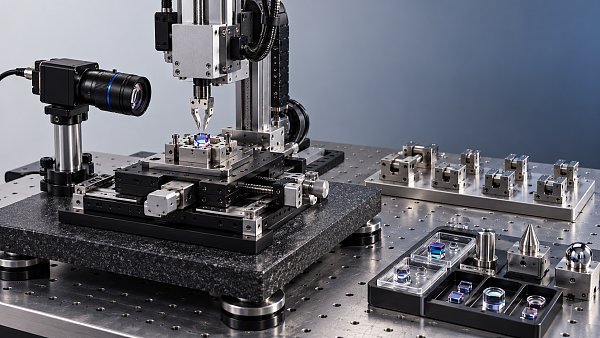
Catheters, endoscopes, robotic tools, biopsy systems, and implant delivery platforms increasingly require tolerances that resemble semiconductor and aerospace disciplines.
For decision makers, this means supplier selection cannot rely only on price, certifications, or legacy relationships. Process capability becomes a strategic variable.
When device features shrink, small deviations can affect friction, dose control, imaging quality, or tissue interaction. Precision becomes directly connected to clinical reliability.
Trend 1: Smaller Devices Are Driving Higher Manufacturing Discipline
Miniaturization is one of the strongest trends in minimally invasive care, but it is often misunderstood as simple size reduction.
In practice, smaller devices require tighter control over material behavior, assembly variation, surface quality, sterilization effects, and in-process inspection.
Micro-catheters, neurovascular tools, laparoscopic instruments, and implant delivery systems must combine flexibility, torque response, strength, and predictable navigation.
This creates demand for ultra-precision machining, laser processing, micro-molding, thin-wall tubing, and advanced joining methods with validated repeatability.
Enterprise buyers should examine statistical process control, dimensional metrology, batch traceability, and defect escape rates before accepting claims of miniaturization expertise.
The business value is clear: better device consistency reduces complaints, improves surgeon confidence, and lowers the hidden cost of corrective actions.
Trend 2: Advanced Coatings Are Becoming Performance-Critical
Coatings are moving from secondary finishing steps to core design elements in minimally invasive devices, especially where friction and biocompatibility matter.
Hydrophilic coatings improve navigation through vessels. Antimicrobial surfaces reduce infection risk. Drug-eluting layers enable localized therapy with fewer systemic effects.
Thin-film deposition and surface modification can also improve electrical insulation, imaging visibility, wear resistance, and compatibility with bodily fluids.
The challenge is that coating performance depends on adhesion, uniformity, thickness control, chemical stability, and sterilization resistance across complex geometries.
Decision makers should avoid treating coating selection as a catalog choice. It requires evidence from aging studies, particulate testing, and simulated-use validation.
Suppliers with expertise in specialized coatings and thin-film deposition can help OEMs translate clinical needs into manufacturable surface performance.
Trend 3: Micro-Fluidics Is Expanding the Role of Therapeutic Delivery
Minimally invasive care increasingly involves controlled delivery of drugs, contrast agents, biologics, sealants, irrigation fluids, and embolic materials.
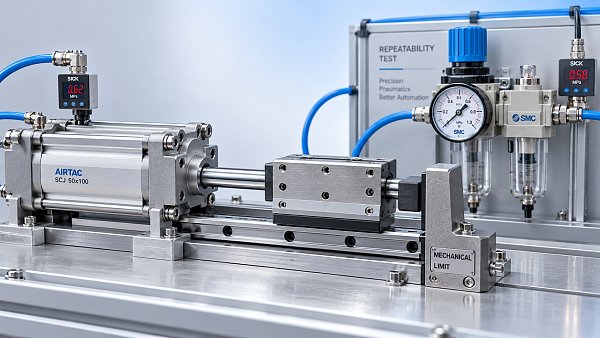
This creates demand for precision pneumatic and fluid control systems that manage very small volumes under variable pressure conditions.
Micro-fluidic performance affects dose accuracy, therapy localization, procedural efficiency, and safety margins during delicate interventions.
For example, interventional oncology, targeted vascular therapy, and ophthalmic procedures depend on stable flow behavior and predictable device response.
From a business perspective, fluid-control innovation can support premium device positioning when it reduces waste, shortens procedure time, or improves therapeutic precision.
Procurement teams should evaluate pressure response, valve repeatability, contamination control, material compatibility, and the supplier’s ability to validate flow at micro-scale.
Trend 4: Imaging, Sensing, and Feedback Are Changing Device Value
Minimally invasive procedures depend on visibility. The strongest medical device innovation now combines mechanical access with real-time procedural intelligence.
Embedded sensors, fiber optics, ultrasound elements, pressure sensing, force feedback, and electromagnetic tracking are becoming more important in device design.
These technologies help clinicians confirm placement, monitor tissue interaction, and reduce reliance on repeated imaging or subjective judgment.
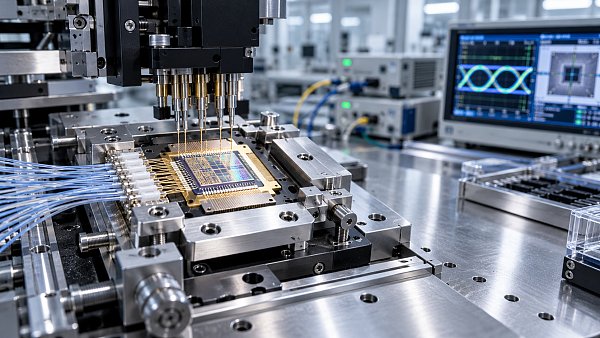
However, sensor integration increases complexity. It requires miniaturized components, signal stability, electrical isolation, calibration, and protection against sterilization damage.
Decision makers should ask whether connected features improve clinical decisions or merely add data without workflow value.
The best opportunities are devices that convert sensing into actionable guidance, reducing uncertainty during high-value procedures.
Trend 5: Robotics Is Moving Beyond Large Surgical Platforms
Robotic surgery is often associated with large operating room systems, but the market is moving toward more specialized robotic assistance.
Robotic catheter navigation, endoluminal systems, orthopedic guidance, microsurgical tools, and image-guided interventions are expanding the minimally invasive landscape.
The commercial advantage is not automation for its own sake. It is consistency, ergonomic improvement, access to difficult anatomy, and procedural reproducibility.
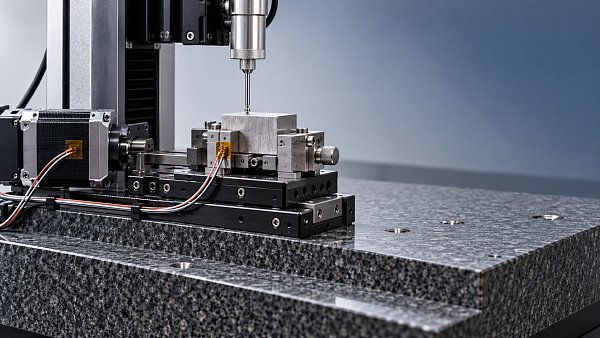
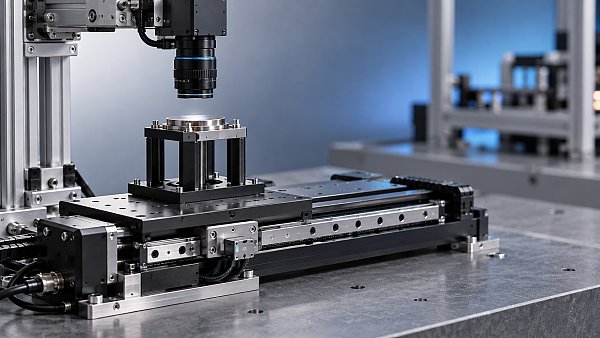
These systems require micro-manipulation, nano-positioning, precision actuation, low-backlash motion, and high-fidelity control under clinical constraints.
For hospitals, robotic investment must be evaluated against procedure volume, training time, maintenance cost, reimbursement alignment, and measurable outcome improvement.
For OEMs, the opportunity lies in modular platforms, specialty applications, and component partnerships that avoid excessive system complexity.
Trend 6: Materials Innovation Is Shifting Toward Patient-Specific Performance
Material selection is becoming more sophisticated as minimally invasive devices encounter demanding anatomical, mechanical, and biological requirements.
Nitinol, bioresorbable polymers, advanced ceramics, specialty alloys, and high-performance polymers are enabling new device geometries and therapeutic functions.
At the same time, customized implants and patient-specific delivery systems are raising expectations for predictable material behavior.
Enterprise leaders should look beyond headline material properties and examine fatigue performance, surface interaction, extractables, leachables, and processing variability.
Materials innovation also affects supply chain risk. Specialty materials may face limited sources, export restrictions, long qualification cycles, or regulatory scrutiny.
A sound strategy balances clinical differentiation with manufacturability, supplier resilience, and long-term regulatory maintainability.
Trend 7: Quality Data Is Becoming a Competitive Asset
Regulated medical device markets have always required quality systems, but minimally invasive innovation raises the importance of granular production evidence.
When device features become smaller and more integrated, inspection after final assembly is often insufficient to control risk.
Manufacturers increasingly need in-process metrology, automated inspection, digital traceability, environmental monitoring, and validated data integrity.
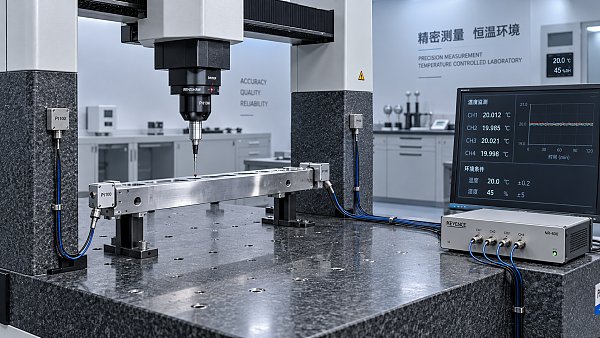
CMM and multi-sensory metrology capabilities are especially important for components with complex geometries, delicate surfaces, and sub-millimeter features.
For enterprise buyers, quality data helps compare suppliers objectively. It also supports audits, design transfers, regulatory submissions, and post-market investigations.
Companies that can prove process capability through verifiable measurement will gain trust faster than those relying on broad capability statements.
How Decision Makers Should Evaluate Innovation Readiness
Not every promising concept deserves immediate investment. Enterprise leaders need a structured way to judge readiness across clinical, technical, and commercial dimensions.
First, assess clinical relevance. The innovation should address a clear procedural pain point, not simply add sophistication to an already workable device.
Second, evaluate manufacturing scalability. A prototype made by expert technicians may not translate into repeatable production at commercial volumes.
Third, examine validation burden. New materials, coatings, sensors, and software functions can expand testing requirements and lengthen time to market.
Fourth, compare total economic impact. Savings may come from shorter procedures, fewer complications, faster recovery, reduced inventory, or improved device utilization.
Finally, review supplier maturity. Strong partners understand documentation, change control, regulatory expectations, and cross-functional engineering communication.
Where the Highest ROI Opportunities Are Likely to Appear
The highest returns are likely in applications where precision directly improves outcomes, reduces complications, or opens procedures to broader patient populations.
Cardiovascular and neurovascular interventions remain strong areas because small performance improvements can affect safety, navigation, and treatment success.
Interventional oncology is another attractive field, especially for localized therapy, targeted embolization, ablation support, and image-guided delivery.
Orthopedics and spine care are adopting navigation, robotics, and patient-specific tools to reduce variability and improve procedural planning.
Gastrointestinal, pulmonary, and urology applications also benefit from flexible devices, sensor-guided access, and advanced visualization.
Decision makers should prioritize markets where clinical need, reimbursement logic, procedural volume, and technical differentiation align.
Key Risks That Should Not Be Underestimated
Medical device innovation in minimally invasive care carries risks that can erode returns if they are not addressed early.
The first risk is overengineering. Additional features may increase cost and complexity without improving clinical decisions or patient outcomes.
The second risk is supplier dependency. Specialized coatings, micro-actuators, sensors, or ultra-pure materials may create bottlenecks if sources are limited.
The third risk is regulatory delay. Novel combinations of materials, software, delivery functions, and connected data may require broader evidence.
The fourth risk is workflow misalignment. Devices that disrupt operating room routines, training models, or sterilization processes may face slow adoption.
Risk management should begin during concept selection, not after design freeze. Early evidence planning is cheaper than late redesign.
What This Means for OEMs, Hospitals, and Technology Suppliers
For OEMs, the priority is building platforms that combine clinical differentiation with manufacturable precision and defensible intellectual property.
For hospitals, the priority is adopting devices that support measurable outcomes, clinician efficiency, and financially sustainable care pathways.
For technology suppliers, the opportunity is to become strategic partners rather than component vendors by offering validation-ready engineering evidence.
Ultra-precision engineering capabilities will become increasingly relevant across all three groups as minimally invasive devices grow more integrated.
Benchmarking against ISO, SEMI, IEEE, and relevant medical standards can improve supplier comparison and reduce ambiguity during procurement.
The organizations that win will connect clinical insight, engineering discipline, regulatory foresight, and supply chain intelligence earlier than competitors.
Conclusion: Precision Will Define the Next Wave of Minimally Invasive Care
The next phase of medical device innovation is not simply about making instruments smaller, smarter, or more connected.
It is about making minimally invasive care more predictable, targeted, measurable, and economically sustainable through precision engineering.
Enterprise decision makers should focus on technologies that improve outcomes, scale reliably, withstand regulatory scrutiny, and create clear operational value.
Advanced coatings, micro-fluidic control, embedded sensing, robotics, specialized materials, and high-resolution metrology will shape competitive advantage.
The best strategy is to evaluate innovation through evidence: clinical relevance, manufacturing capability, supplier maturity, and lifecycle risk.
In minimally invasive care, precision is no longer a technical detail. It is becoming the foundation of trust, differentiation, and market leadership.