
SEMI Launches Global MFC Calibration Traceability Program
On April 29, 2026, the Semiconductor Equipment and Materials International (SEMI) launched its Mass Flow Controllers (MFCs) Global Calibration Traceability Program — a coordinated initiative to standardize calibration validation across major semiconductor manufacturing regions. This development is particularly relevant for semiconductor equipment manufacturers, fab tool integrators, metrology service providers, and precision gas delivery system suppliers, as it directly affects calibration compliance, cross-border equipment deployment, and supply chain verification costs.
Event Overview
SEMI announced on April 29, 2026, the initiation of its Mass Flow Controllers (MFCs) Global Calibration Traceability Program. The program establishes a three-tier calibration network spanning North America, Europe, and East Asia. As part of the first phase, SEMI designated three Chinese metrology institutes as East Asian regional master nodes: the National Institute of Metrology (NIM), the Shanghai Institute of Measurement and Testing Technology (SIMT), and the Shenzhen Metrology and Quality Inspection Institute (SMQ). These institutes are authorized to issue calibration certificates compliant with SEMI F20-2026, enabling mutual recognition of MFC calibrations across regions and eliminating redundant verification steps.
Impact on Specific Industry Segments
Equipment Manufacturers (OEMs)
Why affected: OEMs integrating MFCs into process tools must ensure calibration documentation meets regional fab acceptance requirements. Under the new program, certificates issued by NIM, SIMT, or SMQ will be recognized in North America and Europe without re-calibration — reducing time-to-market and certification overhead.
Primary impact: Reduced post-shipment calibration rework; simplified technical documentation packages for global tenders.
Fab Tool Integrators & System Builders
Why affected: Integrators sourcing MFCs from multiple suppliers — including those with China-based assembly or calibration — now face fewer compatibility barriers when deploying tools in multinational fabs.
Primary impact: Streamlined qualification workflows for gas delivery subsystems; lower risk of field rejection due to traceability gaps.
Metrology Service Providers & Calibration Labs
Why affected: Accredited labs outside the three designated institutes may need to align their processes with SEMI F20-2026 and potentially seek designation or partnership pathways to retain competitiveness in MFC-related contracts.
Primary impact: Increased demand for F20-2026–compliant procedures; potential consolidation pressure on non-designated regional labs.
Gas Delivery & Process Control Subsystem Suppliers
Why affected: Suppliers delivering MFC-based modules (e.g., for ALD, CVD, etch systems) rely on verifiable calibration chains to meet customer audit requirements. Cross-region certificate recognition lowers administrative burden during audits.
Primary impact: Reduced internal calibration recordkeeping complexity; stronger alignment with fab quality management system (QMS) expectations.
What Relevant Enterprises or Practitioners Should Focus On — And How to Respond
Monitor official updates from SEMI and designated institutes
SEMI has not yet published detailed implementation timelines, accreditation criteria for secondary labs, or revision schedules for F20-2026. Enterprises should track announcements from NIM, SIMT, and SMQ regarding public calibration service availability, fee structures, and reporting formats.
Verify current MFC calibration documentation against SEMI F20-2026
Many existing calibration reports — even those issued by accredited labs — may not fully satisfy F20-2026’s requirements for uncertainty budgets, environmental condition logging, or flow profile validation. Companies should conduct an internal gap assessment before submitting for new certificates.
Distinguish between policy signal and operational readiness
While the program launch signals long-term harmonization, actual cross-regional certificate acceptance depends on individual fab procurement policies. Not all fabs will adopt the mutual recognition framework immediately. Enterprises should confirm acceptance status with key customers prior to relying solely on East Asian–issued certificates.
Prepare calibration logistics and documentation for dual-market deployments
For companies shipping MFC-equipped tools to both U.S./EU and Chinese fabs, maintaining parallel calibration records — one aligned with NIST/NPL traceability, another with NIM/SIMT/SMQ — remains prudent until full interoperability is confirmed. Internal SOPs should specify which certificate version applies per destination market.
Editorial Perspective / Industry Observation
Observably, this initiative is primarily a coordination signal — not yet an operational standard. Its value lies less in immediate certificate substitution and more in institutional alignment: SEMI is formalizing metrological equivalence across regulatory ecosystems that historically operated independently. Analysis shows the selection of three Chinese institutes reflects both technical capacity and strategic emphasis on East Asia’s growing role in advanced tool assembly and local fab expansion. From an industry perspective, the program better represents a foundational step toward reducing calibration friction than a near-term cost-saving lever. Continued observation is warranted on whether other regional metrology bodies (e.g., KRISS, NMIJ) will join subsequent phases, and how quickly leading fabs update their incoming inspection protocols.

In summary, SEMI’s MFC Global Calibration Traceability Program marks a structural shift in how metrological validity is governed across semiconductor supply chains — moving from fragmented national frameworks toward a coordinated, standards-based recognition model. It is not yet a de facto requirement, but rather an emerging infrastructure that will incrementally shape procurement, qualification, and compliance practices over the next 12–24 months. Current interpretation should emphasize preparation and alignment — not assumption of universal acceptance.
Source: Official announcement by Semiconductor Equipment and Materials International (SEMI), April 29, 2026.
Note: Implementation details — including certificate issuance timelines, third-party lab designation pathways, and fab-level adoption status — remain subject to ongoing updates and require continued monitoring.
Taglist:
Recent Articles
![]() 2026.05.07Nano-Positioning in Quantum Computing: What Matters Most for Stable MotionNano-positioning in quantum computing demands more than resolution. Discover how drift control, vibration isolation, thermal stability, and feedback accuracy drive reliable quantum performance.
2026.05.07Nano-Positioning in Quantum Computing: What Matters Most for Stable MotionNano-positioning in quantum computing demands more than resolution. Discover how drift control, vibration isolation, thermal stability, and feedback accuracy drive reliable quantum performance. 2026.05.07Semiconductor Fab Expansion Is Reshaping Demand for Flow Control HardwareImpact of semiconductor fab expansion is driving new demand for high-purity flow control hardware. Learn the key checklist, sourcing priorities, and channel opportunities to win more fab-related business.
 2026.05.07Global Photonics Alignment Market Growth: What to Watch Before ExpandingGlobal photonics alignment market growth is creating major expansion opportunities. Discover the key risks, margins, regional signals, and execution factors to assess before scaling.
 2026.05.07Micro-Assembly Automation Trends: Where Throughput Gains Are Coming FromMicro-assembly automation trends reveal where throughput gains truly come from: smarter motion, vision, metrology, and integration. See which scenarios deliver the strongest ROI.
 2026.05.07Ultra-Precision Engineering Case Studies That Reveal What Actually WorksUltra-precision engineering case studies reveal proven methods across semiconductors, aerospace, metrology, and fluid control—helping leaders reduce risk, improve accuracy, and buy with confidence.
 2026.05.07How Raw Material Shifts Are Changing PZT Costs This YearImpact of raw material on PZT costs is reshaping sourcing this year. Learn the key price drivers, supplier risks, and smart procurement moves to reduce cost exposure.
 2026.05.07Next-Gen Laser Interferometry News: What’s Changing in Precision ControlNext-gen laser interferometry news reveals how smarter compensation, sensor fusion, and long-term stability are reshaping precision control. Discover key checks before upgrading.
 2026.05.07Nano-Tech Investment Insights 2026: Which Segments Look Strongest?Nano-tech investment insights 2026 reveal the strongest segments in thin-film deposition, ultra-pure chemicals, metrology, and nano-positioning—helping investors spot scalable, lower-risk growth.
 2026.05.07Safety in Nano-Manufacturing News: 7 Risks Teams Can’t IgnoreSafety in nano-manufacturing news reveals 7 critical risks—from nanoparticle exposure to compliance gaps—helping quality and EHS teams protect operations, reduce defects, and stay audit-ready.
 2026.05.07Future of AFM in Material Science: Where It Adds Real Value NextFuture of AFM in material science: discover where AFM delivers real value in thin films, biomaterials, and precision manufacturing to speed qualification and reduce risk.
 2026.05.07SEMI Launches Global MFC Calibration Traceability ProgramSEMI launches Global MFC Calibration Traceability Program to unify calibration standards across North America, Europe & East Asia—boosting compliance, cutting rework, and accelerating global tool deployment.
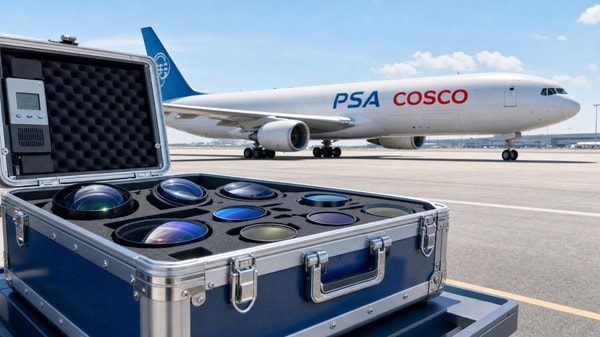
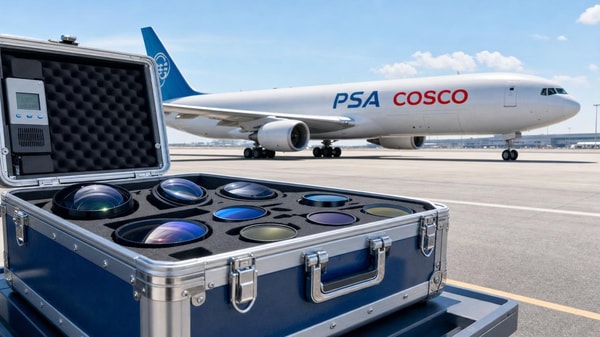
 2026.05.07PSA & COSCO Launch Optical Coatings Air Express to SEAOptical Coatings Air Express launched by PSA & COSCO: 42% faster customs clearance to SEA, <0.03% damage rate — ideal for AR/VR lens & filter exporters.
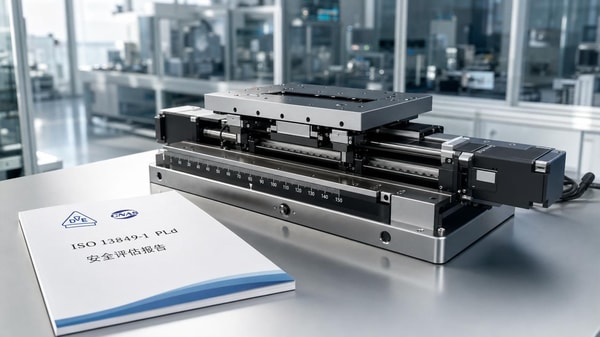
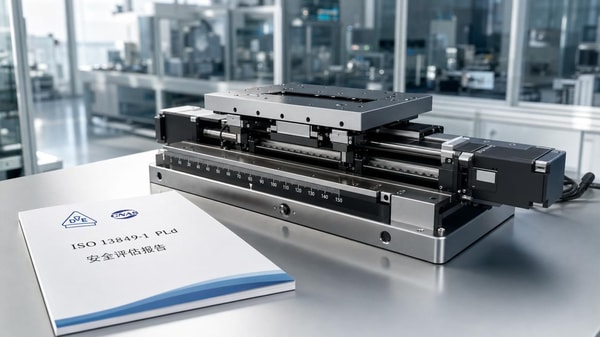
 2026.05.07VDE Accepts CNAS Lab Reports for Nano-Positioning Stages Safety CertificationVDE accepts CNAS lab reports for nano-positioning stages safety certification—cutting certification time to 2.3 months. Streamline German market access now.
 2026.05.07China Customs Launches Electronic Gases Export Classifier 2.0China Customs' Electronic Gases Export Classifier 2.0 boosts HS code accuracy to 99.8% for NF₃, ClF₃, BCl₃ & more—streamline RCEP origin prep and customs clearance now!
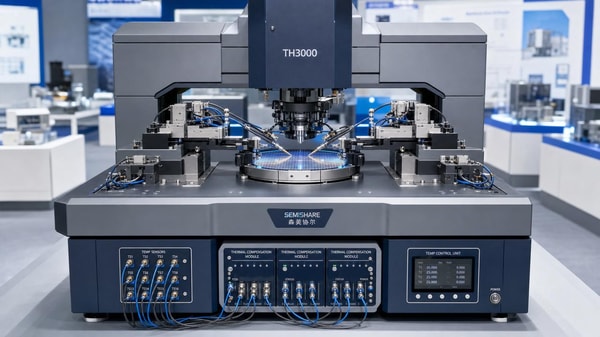
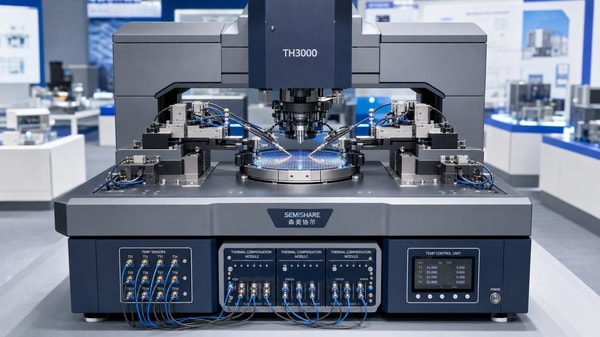
 2026.05.07ASML, SEMICON Europa Release Probe Stations Thermal Management White PaperProbe Stations Thermal Management White Paper: ASML & SEMICON Europa endorse Chinese CMM algorithms for sub-micron stability in 300mm+ wafer probe stations under ±2°C fluctuations — a strategic shift in thermal resilience.
 2026.05.07KATS Expands KC Certification Mutual Recognition for Piezo Valves with NIMKC certification for piezo valves now accepts NIM test reports—cut lead time by 45 days & costs by 30%. Key update for exporters, automation, and semiconductor firms targeting Korea.
 2026.05.07BIS Adds Dynamic Multi-Axis Laser Interferometry to Export Control ListBIS adds dynamic multi-axis laser interferometry to export control list—key for precision manufacturing & calibration services. Learn implications for China trade, licensing, and compliance now.
 2026.05.07Japan Updates Micro-Robots Import Controls: Source Code Disclosure RequiredJapan now requires source code disclosure for micro-robots imports—key update affecting Chinese exporters, OEMs & software vendors. Act now to ensure compliance.
 2026.05.07EU Proposes Carbon Intensity Labeling for Electronic Specialty Gases from 2027EU's 2027 carbon intensity labeling for electronic specialty gases—silane, ammonia, WF₆—demands full-lifecycle GHG disclosure. Act now to align with SEMI F63 & MRV.
 2026.05.07SEMI Reports Q2 2026 ALD/CVD Skids Lead Time: China at 9.8 WeeksALD/CVD skids lead time in China drops to 9.8 weeks — fastest globally. Discover how this boosts semiconductor fab planning, procurement resilience, and supply chain agility.
 2026.05.07SEMI Launches Global MFC Calibration Traceability ProgramSEMI launches Global MFC Calibration Traceability Program to unify calibration standards across North America, Europe & East Asia—boosting compliance, cutting rework, and accelerating global tool deployment.
 2026.05.07PSA & COSCO Launch Optical Coatings Air Express to SEAOptical Coatings Air Express launched by PSA & COSCO: 42% faster customs clearance to SEA, <0.03% damage rate — ideal for AR/VR lens & filter exporters.
 2026.05.07VDE Accepts CNAS Lab Reports for Nano-Positioning Stages Safety CertificationVDE accepts CNAS lab reports for nano-positioning stages safety certification—cutting certification time to 2.3 months. Streamline German market access now.
 2026.05.07China Customs Launches Electronic Gases Export Classifier 2.0China Customs' Electronic Gases Export Classifier 2.0 boosts HS code accuracy to 99.8% for NF₃, ClF₃, BCl₃ & more—streamline RCEP origin prep and customs clearance now!
 2026.05.07ASML, SEMICON Europa Release Probe Stations Thermal Management White PaperProbe Stations Thermal Management White Paper: ASML & SEMICON Europa endorse Chinese CMM algorithms for sub-micron stability in 300mm+ wafer probe stations under ±2°C fluctuations — a strategic shift in thermal resilience.
 2026.05.07KATS Expands KC Certification Mutual Recognition for Piezo Valves with NIMKC certification for piezo valves now accepts NIM test reports—cut lead time by 45 days & costs by 30%. Key update for exporters, automation, and semiconductor firms targeting Korea.
 2026.05.07BIS Adds Dynamic Multi-Axis Laser Interferometry to Export Control ListBIS adds dynamic multi-axis laser interferometry to export control list—key for precision manufacturing & calibration services. Learn implications for China trade, licensing, and compliance now.
 2026.05.07Japan Updates Micro-Robots Import Controls: Source Code Disclosure RequiredJapan now requires source code disclosure for micro-robots imports—key update affecting Chinese exporters, OEMs & software vendors. Act now to ensure compliance.
 2026.05.07EU Proposes Carbon Intensity Labeling for Electronic Specialty Gases from 2027EU's 2027 carbon intensity labeling for electronic specialty gases—silane, ammonia, WF₆—demands full-lifecycle GHG disclosure. Act now to align with SEMI F63 & MRV.
 2026.05.07SEMI Reports Q2 2026 ALD/CVD Skids Lead Time: China at 9.8 WeeksALD/CVD skids lead time in China drops to 9.8 weeks — fastest globally. Discover how this boosts semiconductor fab planning, procurement resilience, and supply chain agility.
 2026.05.07SEMI Launches Global MFC Calibration Traceability ProgramSEMI launches Global MFC Calibration Traceability Program to unify calibration standards across North America, Europe & East Asia—boosting compliance, cutting rework, and accelerating global tool deployment.
 2026.05.07PSA & COSCO Launch Optical Coatings Air Express to SEAOptical Coatings Air Express launched by PSA & COSCO: 42% faster customs clearance to SEA, <0.03% damage rate — ideal for AR/VR lens & filter exporters.
 2026.05.07VDE Accepts CNAS Lab Reports for Nano-Positioning Stages Safety CertificationVDE accepts CNAS lab reports for nano-positioning stages safety certification—cutting certification time to 2.3 months. Streamline German market access now.
 2026.05.07China Customs Launches Electronic Gases Export Classifier 2.0China Customs' Electronic Gases Export Classifier 2.0 boosts HS code accuracy to 99.8% for NF₃, ClF₃, BCl₃ & more—streamline RCEP origin prep and customs clearance now!

























FILTER_CORE
REF_NO: 0042
Editors' Picks
- 00
0000-00
Nano-Positioning in Quantum Computing: What Matters Most for Stable Motion - 00
0000-00
Semiconductor Fab Expansion Is Reshaping Demand for Flow Control Hardware - 00
0000-00
Global Photonics Alignment Market Growth: What to Watch Before Expanding - 00
0000-00
Micro-Assembly Automation Trends: Where Throughput Gains Are Coming From